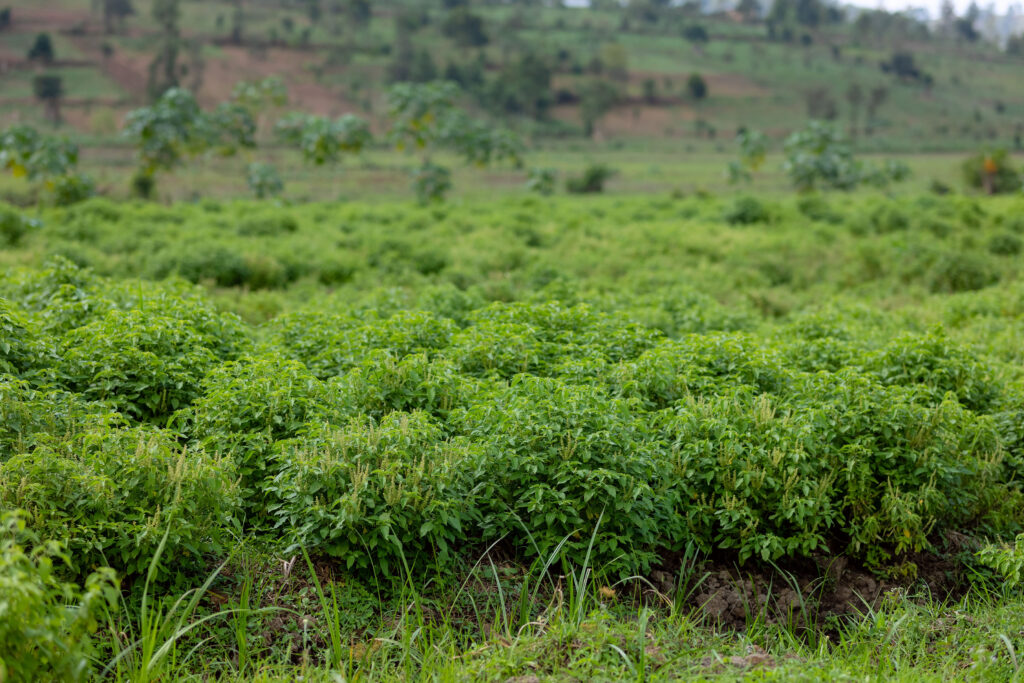
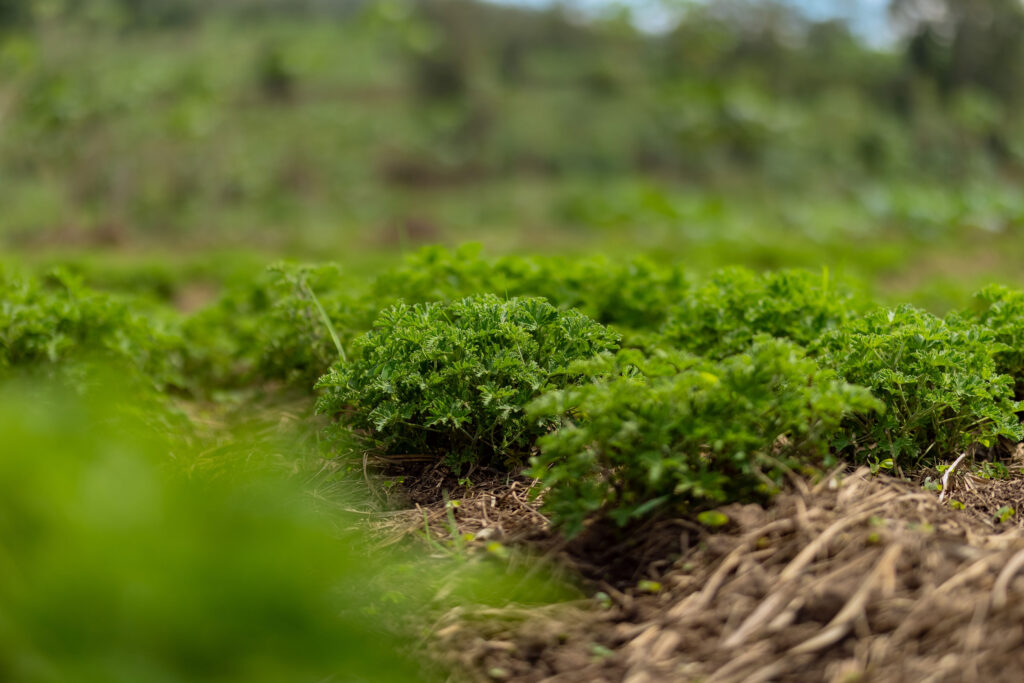
As the world grapples with the consequences of environmental degradation, sustainable agriculture and the use of natural resources have become global priorities. In Rwanda, Ikirezi Natural Products stands out as a pioneer, marking 20 years of revolutionizing the agricultural sector by commercializing plants once dismissed as useless plant including Ricinus communis, Tagetes minuta, Ocimum, and Cymbopogon.
Founded in 2005, this homegrown enterprise was established with a dual mission: to promote the cultivation of essential oil crops and to create sustainable market linkages for rural farmers. Through its community-based approach, Ikirezi has empowered thousands of smallholder farmers while positioning Rwanda on the map of essential oil producers.
From “Bushes and Shrubs” to a Lucrative Value Chain
For years, residents of Rwanda’s Eastern Province regarded plants like tagetes and castor as wild weeds that hindered crop growth. However, Ikirezi Natural Products has turned these overlooked species into valuable raw materials, driving economic transformation in local communities.
Jean Rugirimpara, a farmer from Gihira Sector in Kirehe District, is among the beneficiaries of this project. “I used to see tagetes as Pests my crops,” he recalled. “When Ikirezi began purchasing these plants, they became my main source of income. Today, I earn around 10,000 Rwandan francs a day, which allows me to provide for my family and save for the future.”
Creating Green Jobs and Revitalizing Rural Economies
According to Isaac Rutibana, Agricultural Officer at Ikirezi’s Gahara production site one of the company’s major processing hubs the initiative covers 33 hectares and employs 70 people, including 33 permanent staff and 37 seasonal laborers. “Before partnering with Ikirezi, most farmers here grew maize and Irish potatoes mainly for subsistence,” Rutibana explained. “Now, they have reliable employment and steady income. Each worker earns about 2,500 francs per day, which has significantly improved household livelihoods.” He said
From Fields to Global Markets
Dr. Nicholas Hitimana, Managing Director of Ikirezi Natural Products, notes that the company processes a variety of essential oil crops, including Artemisia, Geranium, Pacuri, Tagetes, Rosemary , Ocimum , Lemongrass , and Castor .

“These plants produce essential oils widely used in pharmaceuticals, cosmetics, wellness products, and agriculture,” Dr. Hitimana explained. “Given their growing demand, our oils are marketed both locally and internationally, contributing to Rwanda’s export earnings.”
The Science and Socioeconomic Impact of Essential Oils
Studies show that essential oils have multifaceted applications and economic potential. Medically, they are valued for their therapeutic properties easing stress, improving skin health, and combating respiratory infections due to their antimicrobial and anti-inflammatory qualities. In the beauty and hygiene industries, they serve as key ingredients in soaps, lotions, shampoos, and perfumes. In agriculture, they are used as organic pesticides, offering an eco-friendly alternative that safeguards both crops and the environment.
Over the past two decades, Ikirezi Natural Products has not only cultivated plants but also cultivated hope proving that what was once considered worthless can drive inclusive growth, promote environmental sustainability, and power Rwanda’s green economy.