

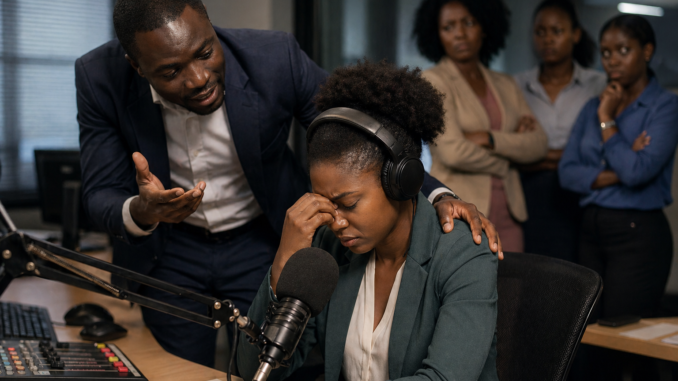
Beneath the bright studio lights and the confident voices heard on radio, there is a difficult truth that often goes untold. Many women journalists face gender based harassment, inequality, and pressure from those in positions of power.
Although the number of young women graduating with degrees in journalism continues to rise, statistics show that they remain underrepresented in the profession.
According to the Rwanda Media Barometer RMB 2024, women are still significantly underrepresented in the media industry. Among accredited journalists in Rwanda, women make up only about 23.8 percent, and their presence in decision making positions is still below 26 percent.
In journalism schools, female students often outnumber their male counterparts. However, once they enter the job market, their numbers drop sharply. Analysts suggest that the issue is not just access to the profession, but also retention and career advancement.
“Being flexible” A word that masks harassment
Testimony from one journalist at a private radio station, who requested anonymity, reveals how certain workplace language can conceal serious abuse and how rejecting her supervisor’s advances negatively impacted her career.
“There were times when my supervisor would touch me inappropriately or make suggestive comments, telling me that to succeed, I needed to be flexible. If you refuse, you lose opportunities or become a target of psychological pressure. He also denied me major assignments, and I was left doing basic tasks alongside interns. When I tried to speak up, I was accused of causing conflict. Eventually, I resigned because my mental health had deteriorated.”
This situation forces many women to remain silent in order to keep their jobs, while others choose to leave the profession altogether.
Keza, not her real name, another journalist working in a media house, said that wage inequality and online harassment also prevent women from advancing in their careers.
“Beyond physical harassment, there is also economic discrimination. We are often treated as if we are only there to decorate the studio, yet during salary discussions, you find that a less experienced male colleague earns significantly more. There are also people on platforms like YouTube who insult and defame us, claiming we got where we are through immoral behavior. This affects how our families and friends perceive us.”
Egidie Bibio Ingabire , the head of the Association of Rwandan Female Journalists (ARFEM), emphasizes that the issue requires targeted efforts and concrete solutions.
“Gender based harassment still exists in media organizations, often in subtle forms that discourage women from speaking out. That is why we are establishing safe and confidential reporting mechanisms and supporting victims.”
She added that ARFEM collaborates with media houses and other institutions to implement workplace policies that protect all employees.
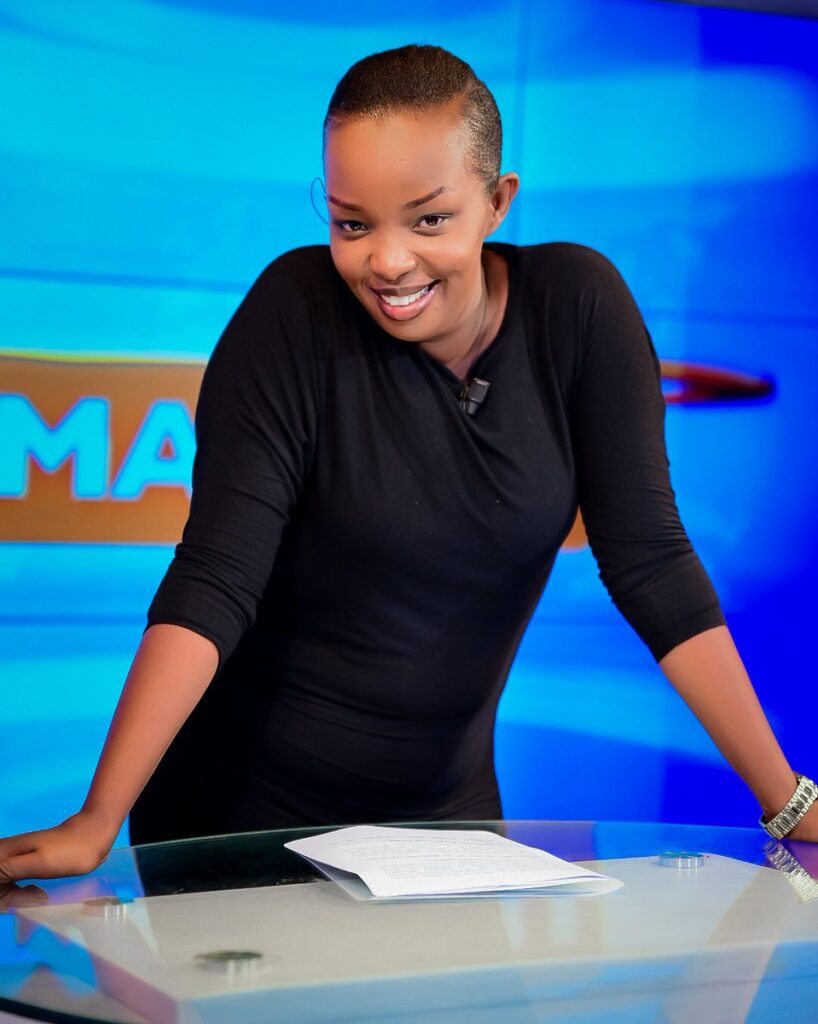
Egidie Bibio Ingabire, the head of ARFEM
“Our goal is to ensure that every journalist works freely, without pressure or harassment, and has equal opportunities.”
Some of the measures introduced include confidential reporting systems, mental health support for victims, and collaboration with justice institutions.
Experts argue that gender based harassment in the media is not just an individual problem but a structural one rooted in leadership practices and organizational culture. Addressing it requires strong policies to protect employees and hold perpetrators accountable.
Author: Nicole Munezero