

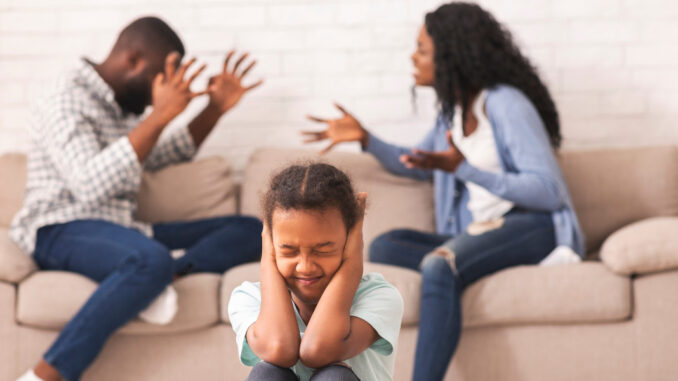
For 23-year-old Cyuzuzo Cefa from Bugesera District, the thought of marriage sparks fear.
Growing up, she watched her parents argue relentlessly before eventually separating. Those early experiences left emotional scars that continue to shape how she sees relationships today.
“Before separating, my parents fought a lot. Sometimes I asked myself: if they couldn’t succeed in marriage, how will I manage?” she recalls.
Cyuzuzo is not alone. Across Rwanda, many young people who grew up in conflict-filled homes say their childhoods have made them question whether marriage is worth the risk.
Divorce and Family conflicts in Rwanda
Family disputes remain a significant issue nationwide. Data from the National Institute of Statistics ofRwanda (NISR) and the judiciary show that divorce cases have fluctuated over recent years, with 1,311 cases recorded in 2018, rising sharply to 8,941 cases in 2019, then dropping to 3,213 cases in 2020.
Between 2021 and 2022, there were 3,322 cases, followed by 2,833 cases in 2023–2024 and 2,674 cases in 2024–2025, Experts note that while the numbers vary, many families continue to experience serious conflicts.
According to the 2022 Rwanda Population and Housing Census, about 69% of Rwandans aged 16–30 are single, while roughly 30% are married. Researchers cite education, employment challenges, and personal attitudes toward marriage as factors, but family conflict also plays a key role, according to youth testimonies.
For some young people, childhood experiences strongly shape their views on marriage.
Consolatrice, 25, from Karongi District, says her parents’ separation still influences her perspective.
“It is difficult for me to trust that I will find a husband I can live well with. When you grow up seeing separation in your family, marriage can feel like a burden,” she explains.
Similarly, Hakizimana Alpha, 23, from Rwamagana District, shares his anxiety.
“Seeing my parents constantly fighting made me anxious about marriage. Sometimes I wonder whether my own marriage could succeed,” he admits.
Expert perspective
Rosette Nkundimfura, head of the Girls Leaders Forum and a family-building advisor, explains that parental conflicts can affect children both emotionally and socially.
“When parents live in constant conflict, children are deeply affected. Some may grow up fearing marriage or losing trust in family life,” she says.
Yet she emphasizes that young people can still shape their own future.
“Even if someone grew up in a home with conflicts, it does not mean they will build a bad family. People can learn from those experiences and choose to build healthier relationships.”
A national concern
Family stability is also a priority at the national level. During the National Prayer Breakfast organized by the Rwanda Leaders Fellowship on February 1, 2026, President Paul Kagame warned that widespread family conflicts can have broader social consequences.
“When many families face serious problems at the same time, the effects can extend beyond households and affect society as a whole,” he noted.
Experts stress that addressing family conflicts requires collaboration among families, communities, and institutions. Proposed strategies focus on providing family counseling services to help resolve disputes, offering marriage education programs for young couples, supporting community mediation initiatives, and implementing government and civil society programs that promote family stability.
In addition, open communication within families is encouraged to ensure that children do not grow up feeling traumatized by unresolved conflicts.
While family conflicts remain a reality in many homes, experts believe that young people can still build strong, healthy families. By understanding the causes of conflict and providing support systems, fear need not prevent the next generation from creating stable, loving homes.
Author: Daniel Ngendahimana