Kabgayi Eye Hospital, in partnership with the Ministry of Health, CBM, and other stakeholders, has treated more than 100 children diagnosed with retinoblastoma — a rare but aggressive form of eye cancer — over the past five years.
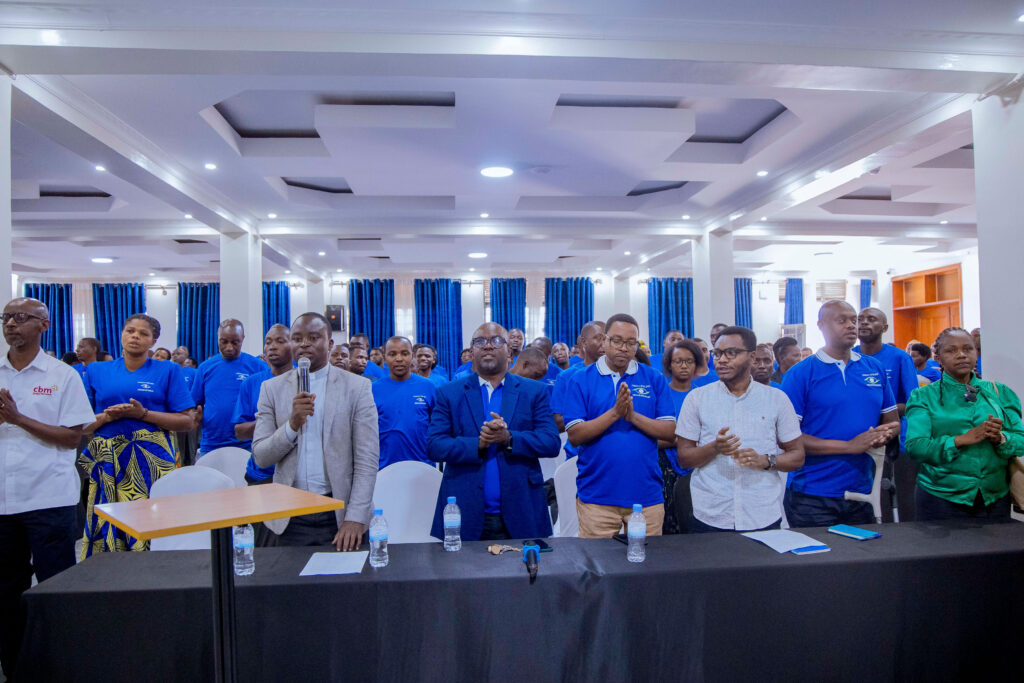
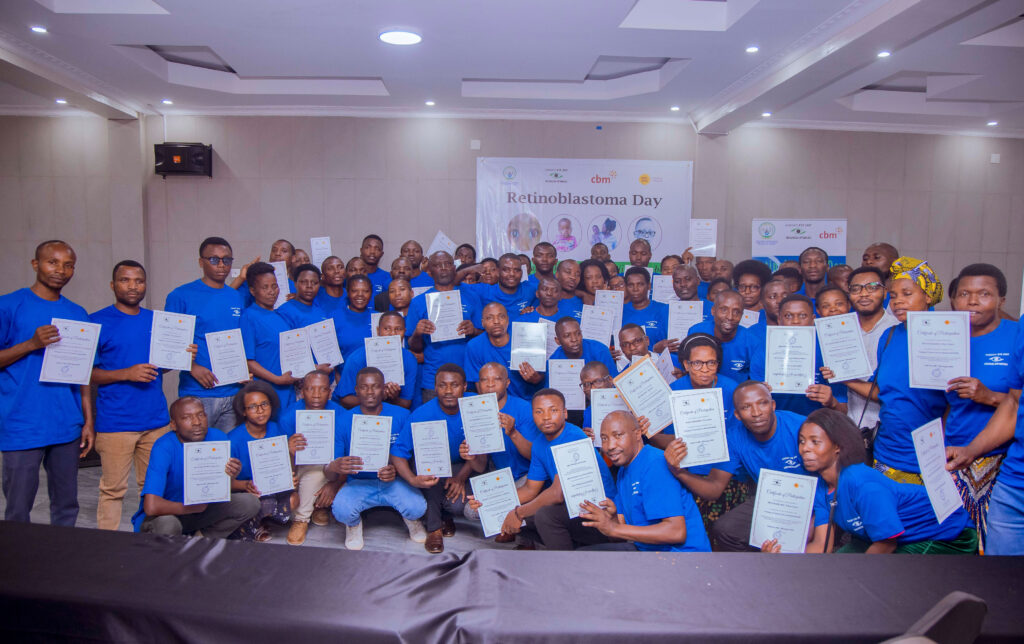
The milestone was highlighted on Thursday, August 29, 2025, during the event named ‘The Voice of Retinoblastoma Survivors’ held at Lucerna Kabgayi Hotel.
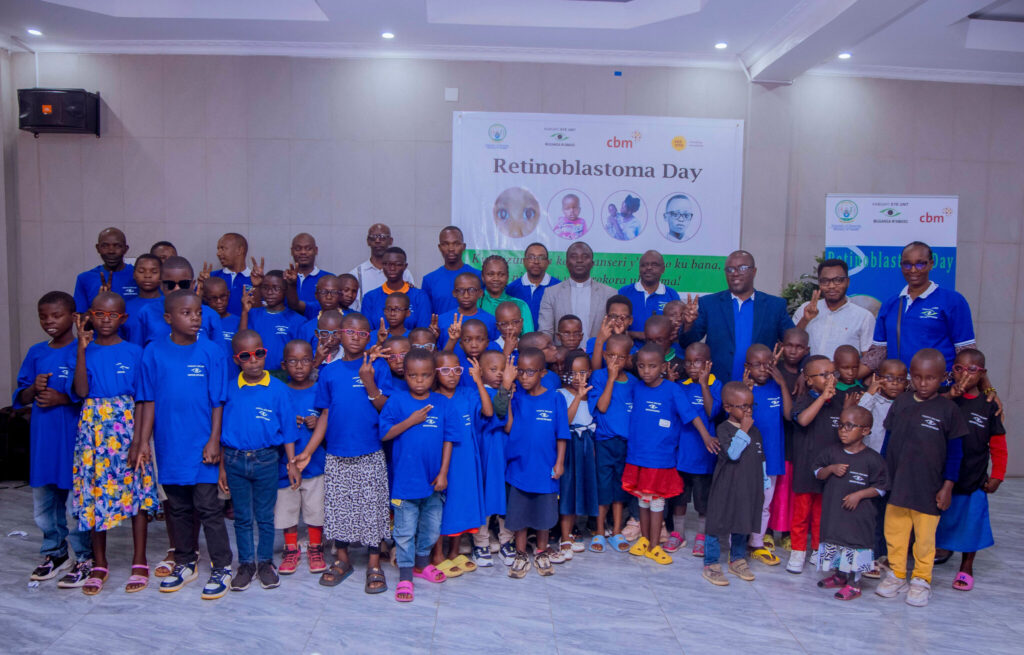
The gathering brought together health experts, parents, and partners to reflect on the fight against retinoblastoma and to celebrate the young survivors who have returned to healthy lives.
Parents whose children were saved have expressed gratitude, saying the hospital gave them hope when all seemed lost.
Bonifrida Uwimbabazi, a mother from Nyanza District, recalled how she first noticed her child’s eye turning red. Neighbors suggested witchcraft or minor irritation, but when the condition worsened, she sought medical help.
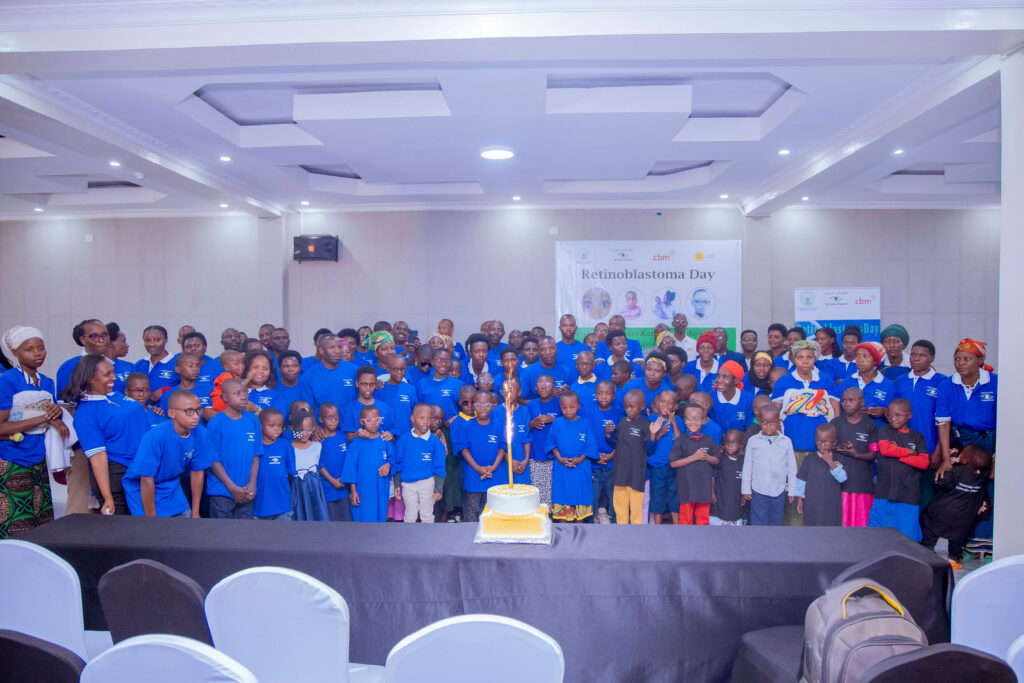
“At first, people told me, ‘This is witchcraft; it will heal.’ But the swelling only grew worse. Someone even advised me to apply herbs, but my child kept suffering. Finally, I went to a health center and was referred to Kabgayi. Doctors diagnosed eye cancer. My husband told me the child was as good as dead and not worth spending money on, but I refused to give up. Thanks to Kabgayi, my child was treated for free — and today is fully healed. I thank God and the hospital.”
Another parent, Rachid Muneza from Rwamagana, described his shock when doctors told him his child needed surgery.
“We first saw a whitish glow in the eye, almost like a cat’s eye shining at night. When referred to Kabgayi, doctors explained the situation and reassured us. It was not easy to accept surgery, but we trusted them. They removed the tumor, and now my child is healthy. Before, I thought cancer always meant death, but Kabgayi showed us otherwise.”
What is Retinoblastoma?
Dr. Theophile Tuyisabe, Director of Kabgayi Eye Unit, explained that retinoblastoma is a malignant tumor of the retina, most often affecting children under five years. It can occur spontaneously or be inherited from parents who carry cancerous cells.
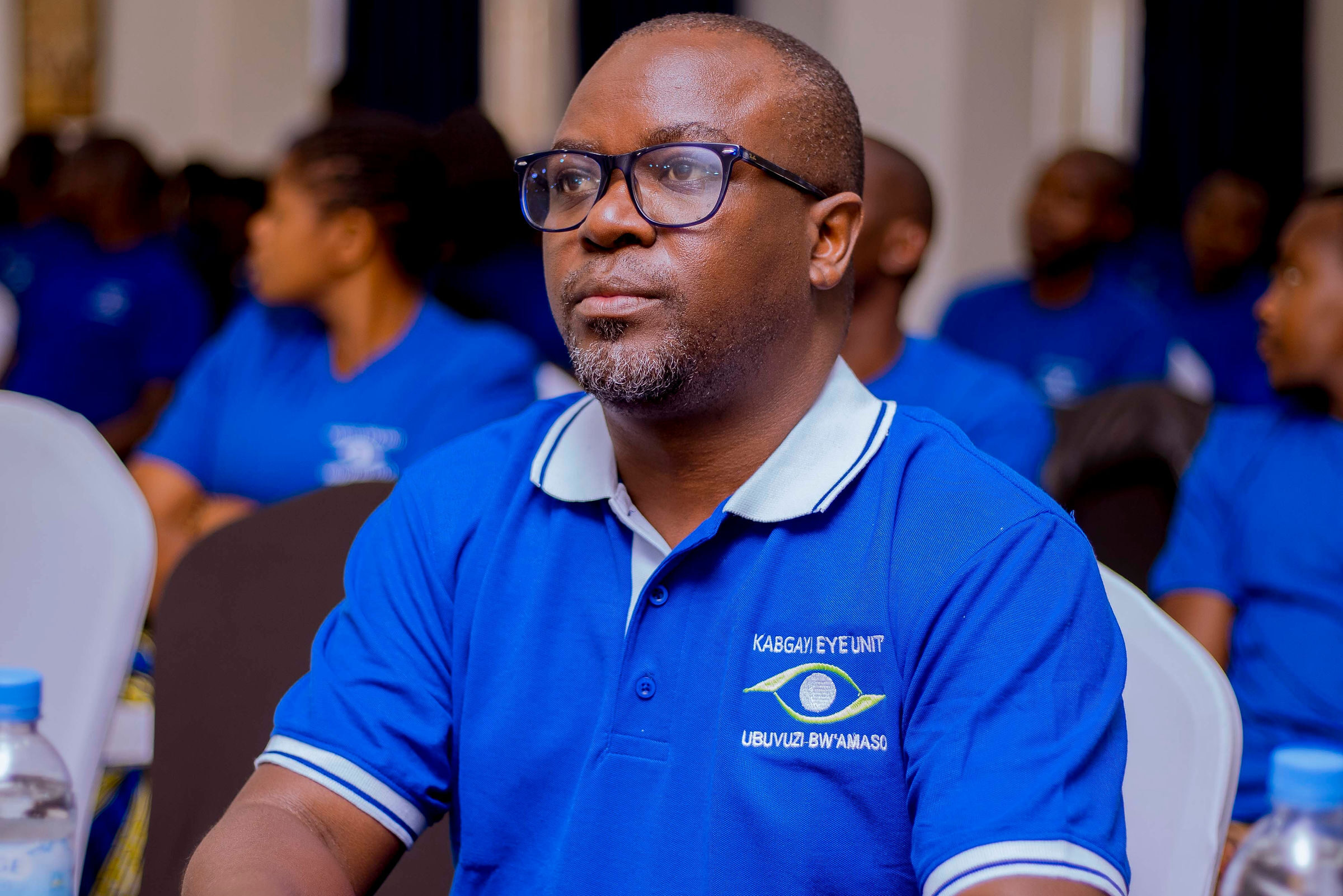
He emphasized the importance of early detection.
“In about 60% of cases, the first sign is a white reflection in the child’s pupil – what we call leukocoria. It can look like a cat’s eye in dim light. Other warning signs include persistent crossed eyes, continuous redness, swelling, or excessive tearing. Strabismus or squinting should not be dismissed as a family trait – it could be cancer. If left untreated, the tumor can spread beyond the eye, reaching the skull and bones, and ultimately threaten the child’s life.”
A Growing Success Story in Rwanda
Globally, retinoblastoma affects about 1 in every 16,000 live births, with an estimated 25 to 30 cases in Rwanda each year. In resource-limited settings, the disease often leads to blindness or death due to late diagnosis.
Kabgayi Eye Unit, however, has become a beacon of hope.
By combining medical expertise, government support, and international partnerships, the hospital has ensured that children from across Rwanda – and sometimes neighboring countries – receive timely, life-saving treatment.
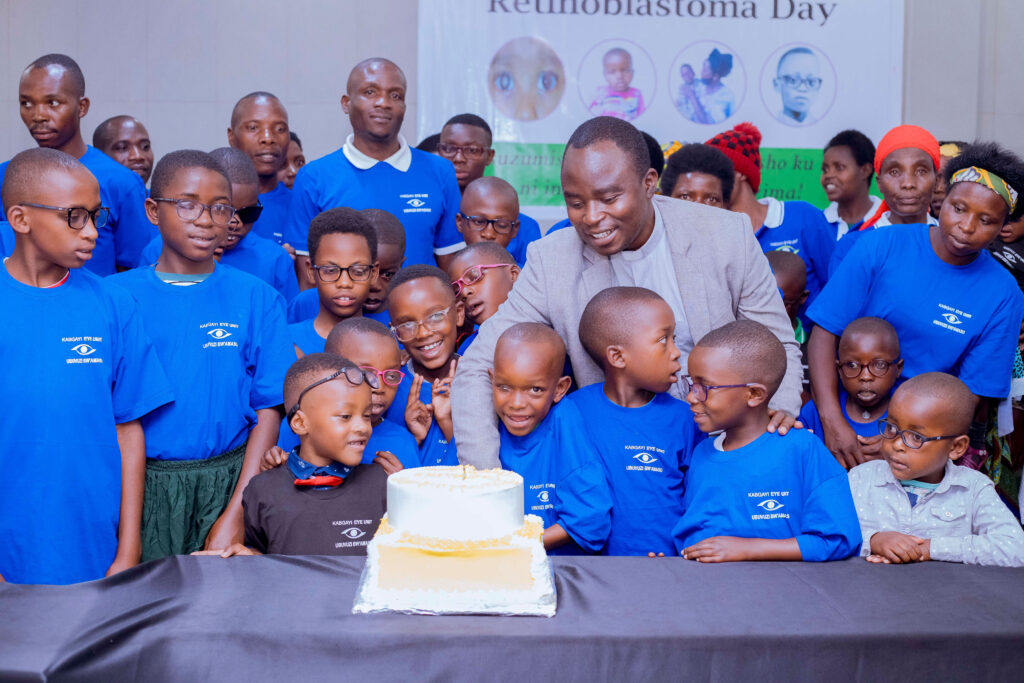
Dr. Tuyisabe urged parents to remain vigilant, “Cancer does not wait. The earlier a child is brought to the hospital, the higher the chances of survival. Retinoblastoma is curable when detected in time.”
In just five years, 110 children have been given a second chance at life through Kabgayi’s program. For families who once believed a cancer diagnosis was a death sentence, these recoveries stand as proof that awareness, early detection, and accessible treatment can save lives.