

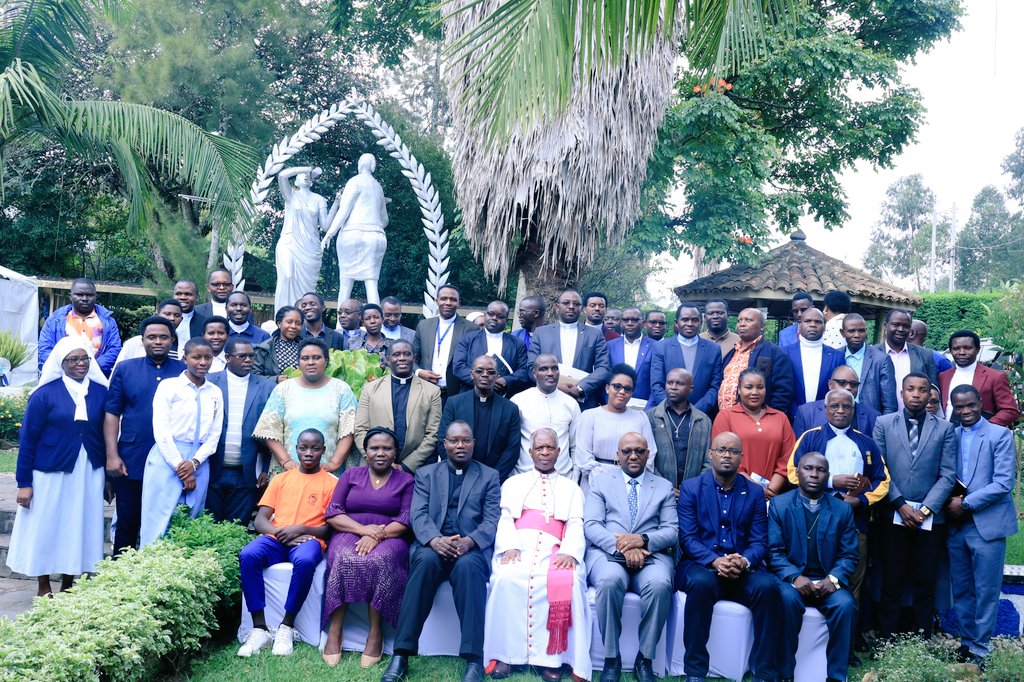
On March 28, 2025, the Ruhengeri Diocese convened a high-level conference at Centre Pastorale Notre Dame de Fatima to assess the quality of education in Catholic schools and those operating in partnership with the government under formal agreements.
Under the theme “The Quality of Education: Opportunities, Challenges, and Strategies for Improvement,” the conference brought together key education stakeholders from the districts within the jurisdiction of the Ruhengeri Diocese—Musanze, Gakenke, Burera, Rulindo, and Nyabihu.
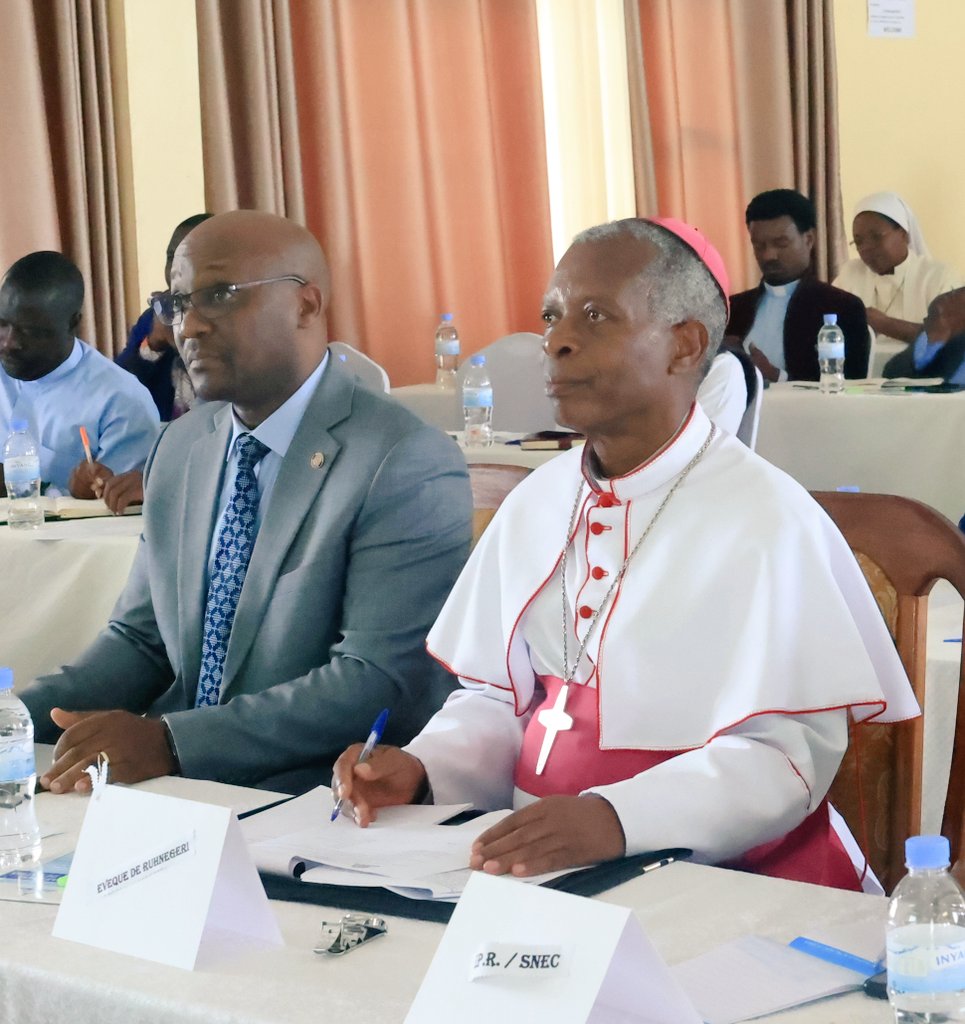
Participants included parish education coordinators, school administrators, teacher representatives, student delegates, and representatives from various faith-based organizations.
Additionally, the conference was graced by the Secretary-General of the Catholic Education Bureau in Rwanda (SNEC), Father Lambert Dusingizimana, and the Director-General of the Rwanda Basic Education Board (REB), Dr. Nelson Mbarushimana who represented the Rwanda’s Minister of Education.
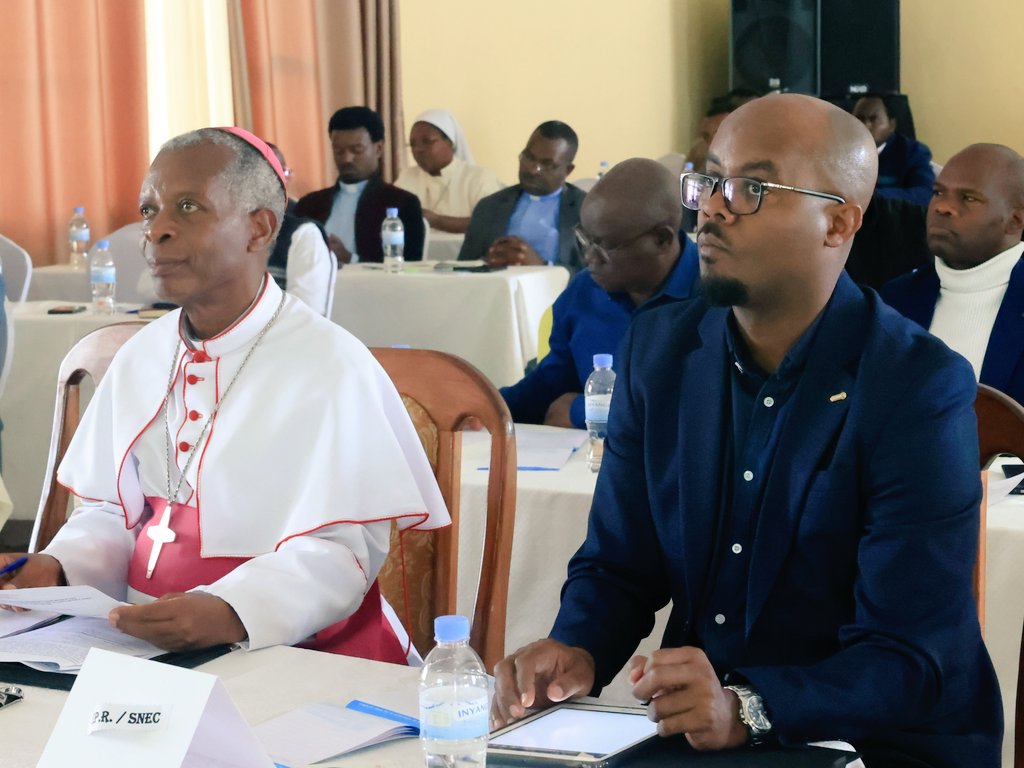
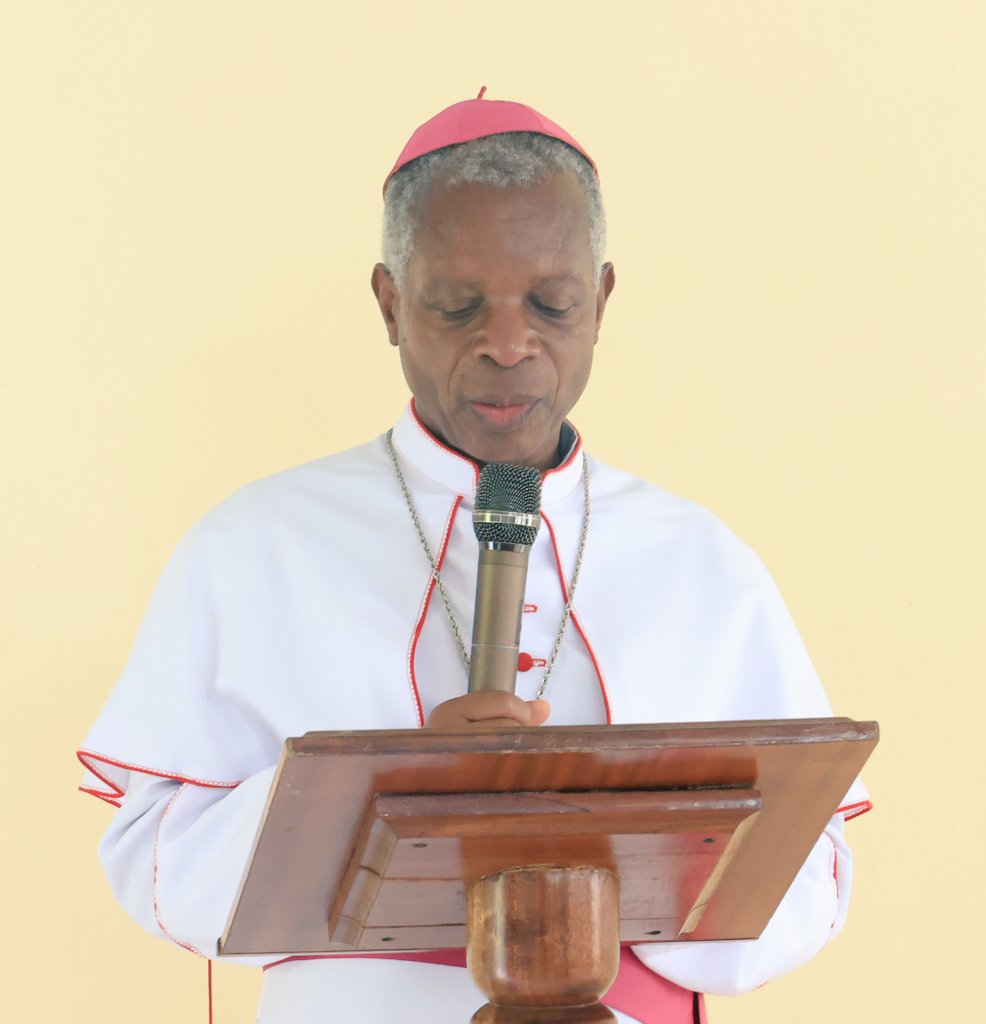
Speaking to KINYAMATEKA, Bishop Vincent Harolimana of the Ruhengeri Diocese highlighted the purpose of the conference, emphasizing the need for a comprehensive review of the state of education, the challenges faced, and strategic measures to enhance its quality.
“In our diocese, we saw the need to engage government education officials, Catholic education leaders, district authorities, school administrators, parish education coordinators, parents, students, and education partners to evaluate our standing in terms of education quality. We must identify existing challenges and collectively devise solutions to achieve our vision of nurturing competent and well-rounded students,” Bishop Vincent stated.
Among the major challenges identified were school dropouts, high absenteeism, inadequate infrastructure—including insufficient classrooms, textbooks, and other essential learning materials—overcrowded classrooms, limited English proficiency among students and teachers, financial constraints among families, and the underrepresentation of girls in schools.
The bishop stressed that overcoming these obstacles requires a concerted effort from all stakeholders.
“When we compare these challenges with the determination and commitment we have, nothing is insurmountable. The key lies in collective action. If all parties—government authorities, parents, the Church, educators, and students—play their role effectively, we can eradicate these issues,” he affirmed.
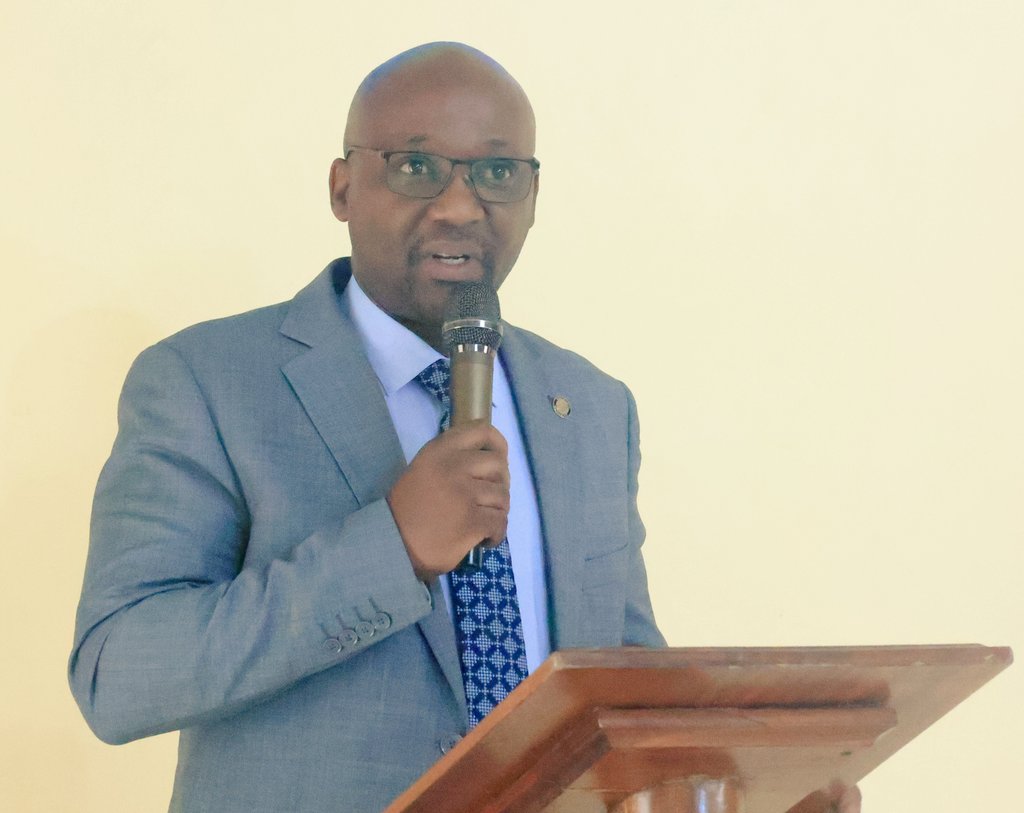
Representing the Minister of Education, REB Director-General Dr. Nelson Mbarushimana echoed the importance of collaboration, urging school leaders, teachers, parents, and students to take responsibility rather than relying solely on directives from higher authorities.
“School leaders must engage directly with students. When you create an open dialogue with them, they feel valued and are more willing to share their concerns, including feedback on their teachers. This fosters a more responsive and effective education system,” he said.
Dr. Mbarushimana further elaborated on REB’s ongoing initiatives to enhance education quality, particularly in teacher training.
“We are committed to improving teacher competency. In collaboration with Education First (EF), we are launching an English language training program in April 2025 for 20,000 teachers. Additionally, we have partnered with the Ministry of Education to ensure that, moving forward, every student undergoes an English proficiency assessment before progressing. No teacher will be permitted to enter a classroom without passing the English proficiency test. This is part of our broader agenda to strengthen the quality of education through teacher training, leadership development, and curriculum refinement,” he explained.
School administrators also outlined their commitments to enhancing education standards. Theophille Mpariyimana, head teacher of G.S Saint Michelle Gacaca TSS in Ruhengeri Cathedral Parish, pledged to approach his role as a calling rather than just a paid job.
“I now understand that educating children requires dedication beyond formal responsibilities. I will listen more attentively to my students and fellow educators, fostering a collaborative and inspiring work environment rather than imposing leadership,” he said.
Similarly, Adalbert Kunda Umuhire, director of Notre Dame du Carmel Gahunga School, emphasized the importance of early childhood education.
“We will intensify our focus on nursery education because foundational knowledge begins there. A child who receives a strong foundation will succeed academically. As school leaders, we must also be fully present in our institutions, actively overseeing operations and ensuring effective teaching and learning,” he noted.
Currently, the Ruhengeri Diocese oversees 152 Catholic schools across 16 parishes, distributed as follows: 37 schools in Burera District, 56 in Musanze, 47 in Gakenke, one in Rulindo, and 11 in Nyabihu District.
In the 2024–2025 academic year, over 151,000 students are enrolled in these schools, including 21,000 in nursery schools, 97,000 in primary schools, and 32,000 in secondary schools. The diocese also employs more than 4,000 teachers.
