

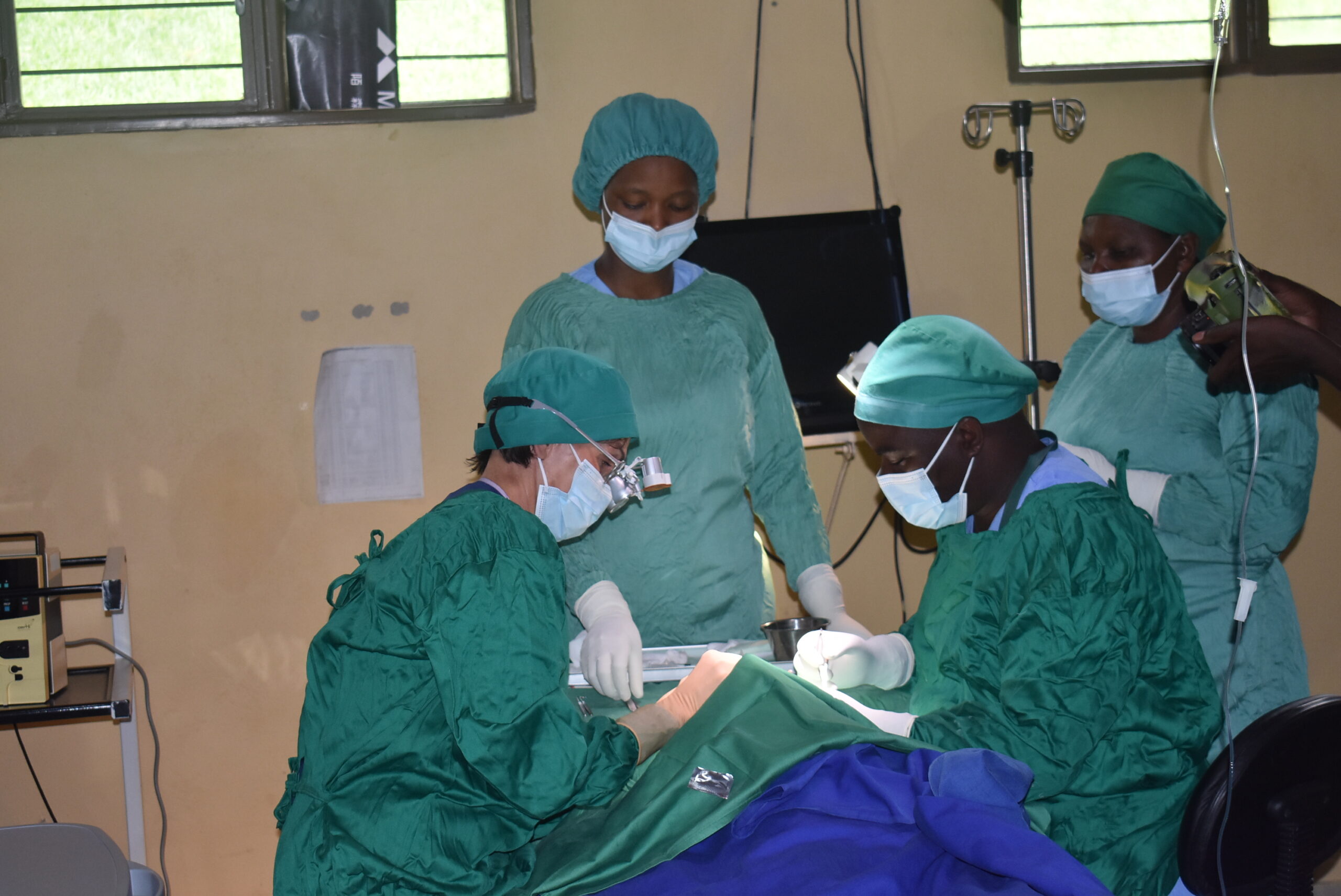
Strabismus is a vision disorder that causes significant discomfort, making it difficult for individuals to focus their eyes in the same direction.
Those affected often appear to have misaligned eyes, with one or both tilting unevenly.
In an interview with ICK News, Dr. Tuyisabe Théophile, the Director of Kabgayi Eye Unit, addressed common misconceptions about strabismus.
According to him, strabismus falls into two main categories: congenital strabismus (present at birth) and acquired strabismus, which results from delayed or improper treatment of visual impairments.
Dr. Tuyisabe explained, “Some cases of strabismus are hereditary, passed down through family genes. Others arise from various factors, such as a child needing corrective glasses early in life but not receiving them in time. This delay can result in misaligned eyes.”
Dr. Tuyisabe highlighted several myths that persist around this condition:
Belief that strabismus cannot be treated: Many people mistakenly assume that strabismus is untreatable.
However, Dr. Tuyisabe emphasized otherwise, “If strabismus is not accompanied by other complex conditions, or if detected alongside treatable underlying issues, it can be effectively managed. Treatment options vary but are often successful. People should not lose hope-strabismus is treatable in many cases.”
Perception that it is exclusively genetic: While hereditary factors can play a role, not all strabismus cases are familial.
Dr. Tuyisabe clarified, “Some assume that strabismus inevitably affects anyone with a family history of the condition, but this is inaccurate. Even hereditary cases can often be treated and corrected.”
Viewing Strabismus as a Mark of Beauty: Some people romantically associate strabismus with beauty, but Dr. Tuyisabe discouraged this notion saying, “It is not appropriate to glorify or normalize a medical condition. Everyone deserves clear vision and should strive for optimal eye health.”
Dr. Tuyisabe highlighted how misconceptions about strabismus can unfairly affect job seekers.
He said, “Some employers may deny individuals with strabismus opportunities based solely on their appearance, assuming they are incapable, even when they are fully qualified.”
Strabismus patients, particularly children, often encounter hurdles, including parenting hesitation where many parents may delay seeking medical care for their children due to fear or lack of awareness.
“We still face challenges with parents who hesitate to allow treatment, saying, ‘Don’t touch my child,’” Dr. Tuyisabe noted.
Another challenge is reluctance to undergo screening where some individuals refuse to seek diagnosis, relying instead on others’ experiences, which can delay effective treatment.
To address these challenges, Dr. Tuyisabe urged the public to seek timely medical care.
He said, “At Kabgayi Eye Unit, we are committed to restoring eye health. There is no reason to fear societal judgment or wait for others to make decisions on your behalf. Visit the hospital for screenings and appropriate treatment options.”
He added, “Everyone with an eye problem should seek medical advice promptly and take advantage of the available resources to access modern and efficient care.”
Kabgayi Eye Hospital collaborates with Light for the World, an international organization dedicated to eye health. Together, they provide specialized care, including surgeries, eye examinations, and consultations, often supported by Belgian experts.
