

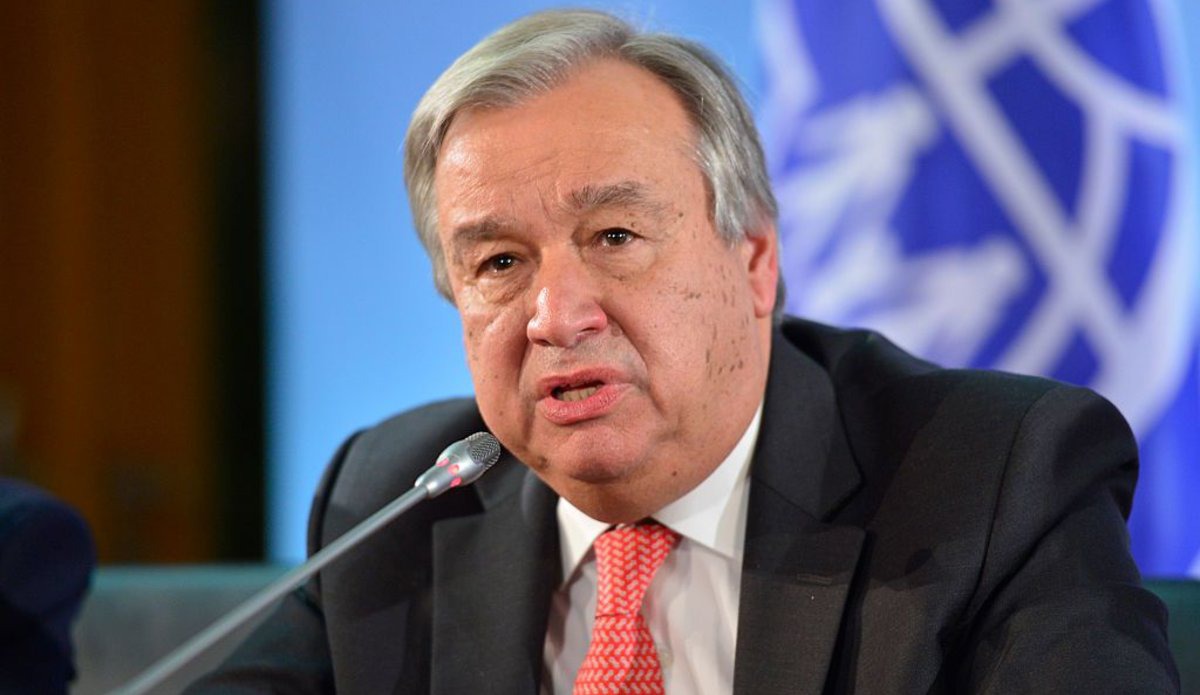
In his solemn message for the year 2024, United Nations Secretary-General António Guterres reflects on a dark chapter in human history: the 1994 genocide against the Tutsi in Rwanda, which commenced on April 7, 1994.
Guterres’s poignant words serve as a reminder of the atrocities committed and the imperative to prevent such horrors from ever occurring again.
Thirty years ago, in only 100 days, more than one million Tutsi (children, women, and men) fell victim to unspeakable Killings at the hands of their fellow Rwandans.
Families were torn apart, friendships shattered, and an atmosphere of hatred and brutality engulfed the nation. The scars of this tragedy continue to resonate, serving as a harrowing reminder of the depths to which humanity can sink.
Yet amidst the darkness, Guterres draws attention to the resilience and bravery of those who survived. Their unwavering courage and capacity for forgiveness stand as a beacon of hope, illuminating the path towards healing and reconciliation.
At the heart of Guterres’s message lies a poignant recognition of the root cause of genocide: hate.
He underscores the dangerous consequences of division and extremism, fueled by decades of simmering ethnic tensions and the enduring legacy of colonialism.
Today, as hate speech and divisive ideologies continue to spread across the globe, the lessons of Rwanda’s tragedy resonate with renewed urgency.
Guterres issues a clarion call to action, urging global solidarity in the face of hatred and discrimination.
He emphasizes the imperative of remembrance, ensuring that the atrocities committed in Rwanda are never forgotten and never repeated, anywhere in the world.
In commemoration of the lives lost and the suffering endured, the United Nations has designated April 7 as the International Day of Reflection on the 1994 Genocide Against the Tutsi in Rwanda. It is a day to honor the memories of those who perished and to stand in solidarity with survivors, reflecting on the profound impact of this dark chapter in human history.
