


Rwanda is increasingly recognized as a welcoming country for international students in search of academic, cultural, and professional development. Its reputation for safety, hospitality, and rapid transformation has made it a preferred destination for learners from across Africa and beyond.
Each year, students from countries such as the Netherlands, Germany, the United States, and various African nations arrive in Rwanda to study in universities, engage in community-based projects, and conduct academic research. While their goals may differ, they are united by a shared curiosity about Rwanda’s unique path to development, resilience, and innovation.
Before arriving, many students anticipate a traditional academic experience. What they often discover is far more transformative.”
“I expected to learn from books and lectures,” said Nouo Emeraude, a creative arts student at the African Leadership University in Kigali. “But what I’ve gained is deep cultural immersion. Working with Rwandan students has not only shaped how I think but also how I create. Our collaboration has led to artistic projects that reflect real community needs.”
For others, it is Rwanda’s educational philosophy and its practical approach to development that stands out.
Jort Heikens, an education student from the Netherlands currently working with CC-JOBS, described his time in Rwanda as eye-opening. “I came to understand development and education from the inside. I’ve seen how empowering young people through education directly changes lives. It’s not theoretical, it’s practical.”
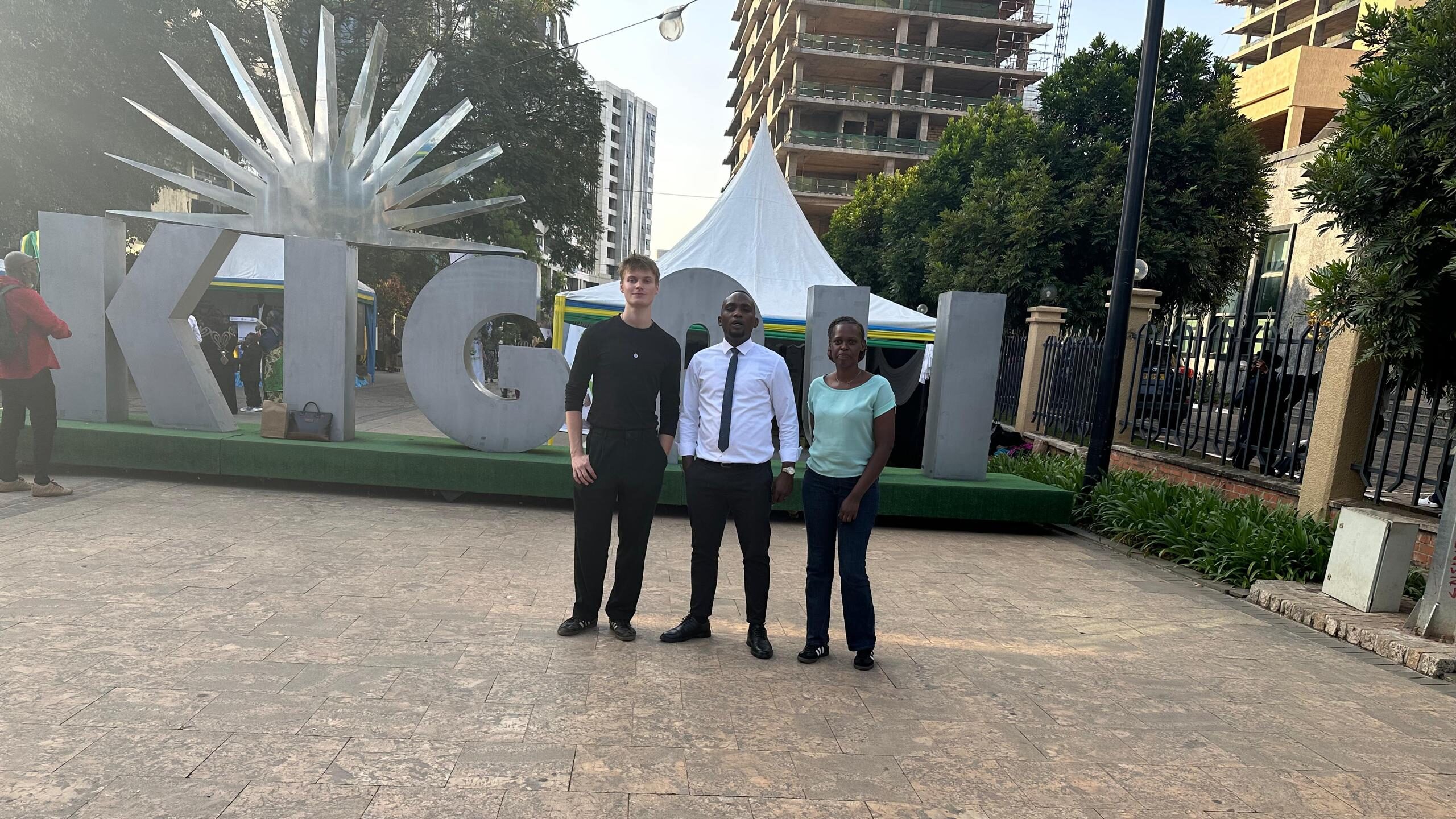
Beyond academic activities, international students are often involved in fieldwork, grassroots initiatives, and language exchange programs. They immerse themselves in the culture, learn Kinyarwanda phrases, and build lasting relationships.
“Rwanda has changed how I view sustainability,” said another student. “Here, innovation is not just a buzzword; it’s happening in everyday life from agriculture to entrepreneurship.”
Duncan’s Story: From Student to Resident
Duncan Muhangi, a Ugandan who completed his Bachelor’s degree in Public Relations at Institut Catholique de Kabgayi (ICK) and interned at the Institute of Legal Practice and Development (ILPD), Nyanza Campus, shared his journey and decision to remain in Rwanda.
“What we read from the news is that it is a clean and safe country, so everyone wants to go there,” Duncan said.
He added, “People are very good here. They have high hospitality. They want to help people, especially foreigners.”

Duncan mentioned that the only challenge he faced during his studies was the language barrier. “But the quality of education was good,” he emphasized.
After graduation, he had the option to return to Uganda or go elsewhere but, chose to stay. He now works at Saint Andre Gitarama.
“I had many options to go to other countries or return to my own, but I decided to stay because I had fallen in love with Rwanda, and I’m still enjoying it,” he explained.
To those who remain skeptical about Rwanda’s positive image, Duncan had this message:
“Some people still think what they see in the news or what people say about Rwanda isn’t true. I encourage them to come, discover the beautiful places, and experience the good education Rwanda has to offer.”
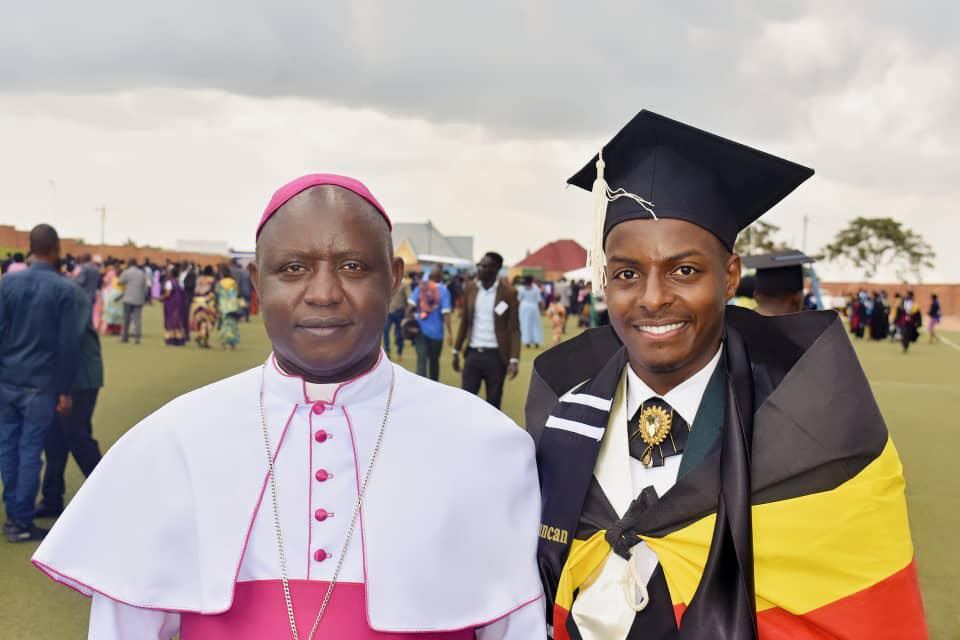
ICK continues to host international students. Currently, it is home to Yann Scordia, a French intern doing his academic internship. He is involved in teaching languages, particularly French, and actively supports the English Club by assisting fellow students.
“He was warmly welcomed and quickly adapted to the environment,” said Jean Felix Muhire, the Public Relations Officer at ICK.
Organizations such as Azizi Life also play a vital role in this growing exchange. Every summer, they host around 15 students from the University of Manchester, alongside Rwandan university student volunteers.
Together, these students contribute to literacy programs, artisan training, and sustainable development projects in rural communities.
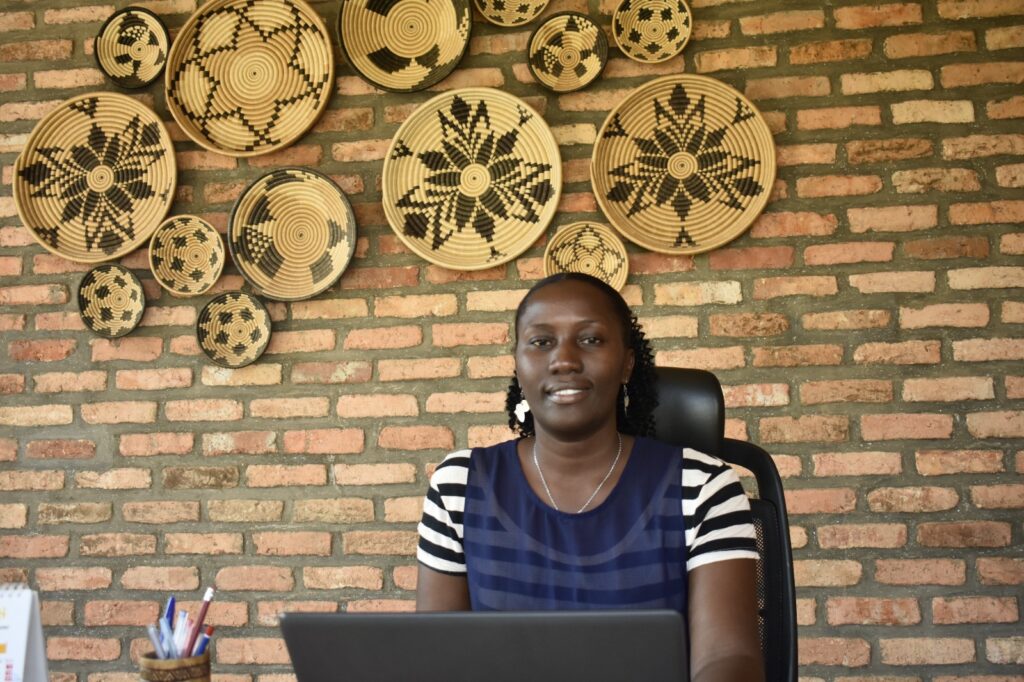
“Students who come here bring fresh perspectives,” said Mrs. Jeannine Umutoniwase, Director of Operations at Azizi Life. “But what’s most powerful is how they engage with the community. They listen, they learn, and they grow with us. It’s a two-way street.”
According to Azizi Life’s 2024 data, over 10,000 people have learned to read and write through their programs, with more than 6,000 completing full literacy training. The enterprise now supports 760 artisans: 714 in weaving, 39 in art, and 7 in beekeeping, demonstrating the powerful results of international collaboration paired with local leadership.
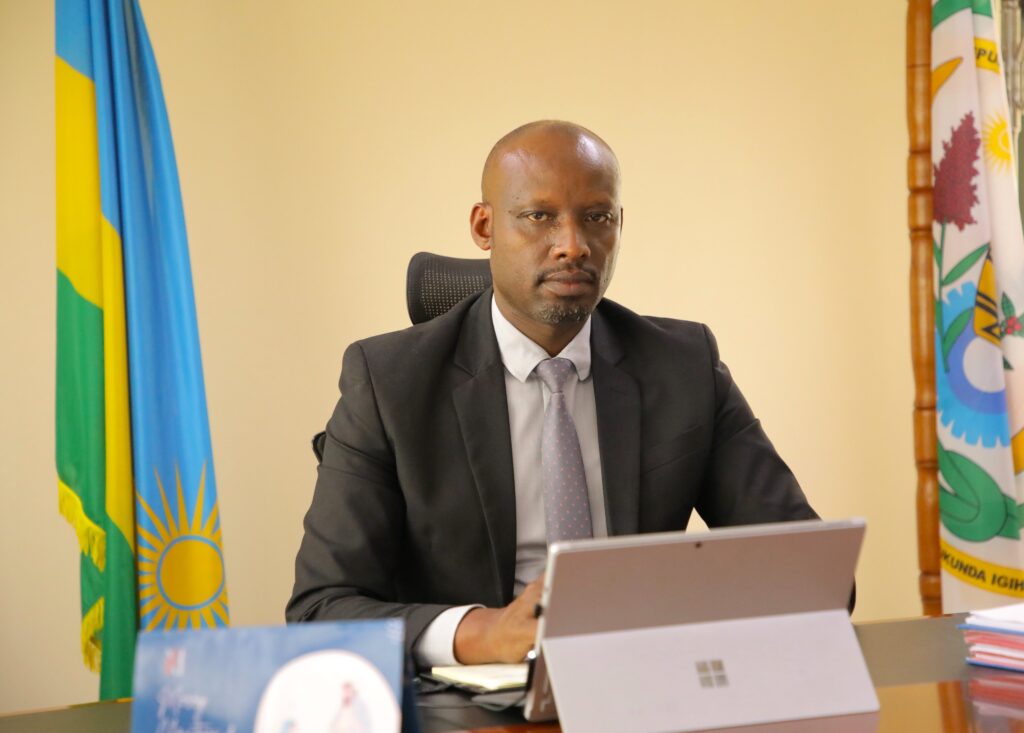
Speaking to ICK News, Charles Karakye, the Permanent Secretary at the Ministry of Education, reaffirmed the country’s ambition:
“Our aim is to make Rwanda a hub for quality higher education in Africa. Currently, we have over 10,000 international students studying in the country. “
He added that the Ministry is implementing targeted strategies and investments to attract more students globally.
“That’s why you see globally recognized institutions like Carnegie Mellon University Africa and the African Leadership University choosing to operate here.”
According to Karakye, the presence of international students is mutually beneficial.
“They inspire local students, show confidence in our education system, and contribute economically through tuition and daily expenses,” he noted.
“But above all, our ultimate goal is clear: to make Rwanda a true hub for higher education in Africa.”
Currently, Rwanda has 31 accredited higher learning institutions, comprising 3 public universities and 28 private universities, many of which attract international students to pursue their studies in the country.
Currently, Rwanda has 31 higher learning institutions accredited by the Higher Education Council (HEC), comprising by 3 public universities and 28 private universities, many of which attract international students to pursue their studies in the country.