

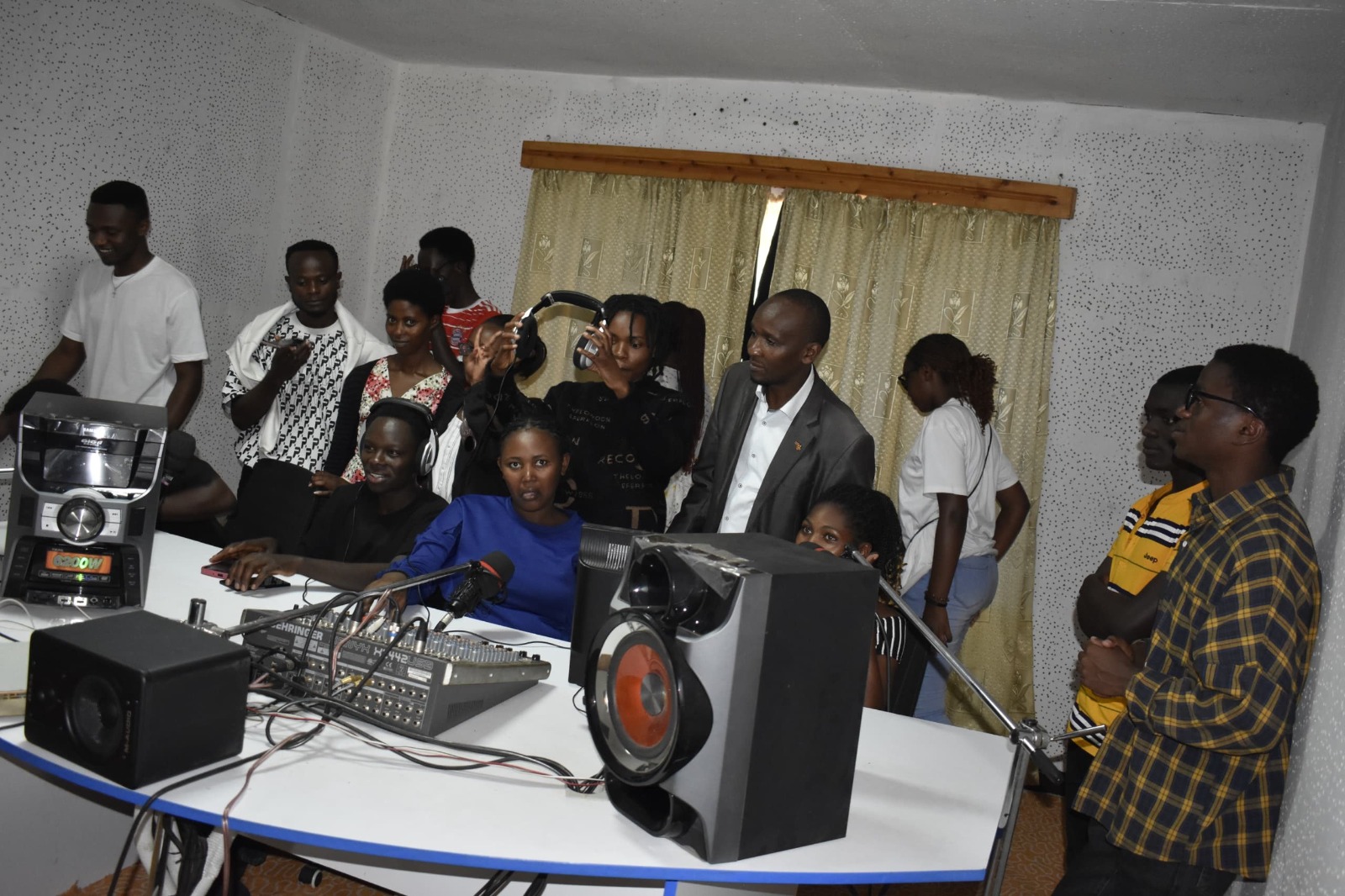
Today, February 13, 2025 students from the Faculty of Journalism and Communication Studies at the Institut Catholique de Kabgayi (ICK), joined the global community in celebrating World Radio Day (WRD).
This annual event, proclaimed in 2011 by UNESCO Member States and later adopted by the United Nations General Assembly in 2012 as an International Day, is dedicated to recognizing the significant role of radio in communication, culture, and connection.
The occasion provided an opportunity for students to reflect on radio’s ongoing importance, especially in Rwanda, where it remains a crucial medium for informing, educating, and uniting communities.
The celebration brought together students and faculty members, who engaged in thoughtful discussions and reflections on the value of radio in today’s world.
For many students, radio is not just a source of entertainment; it is an essential tool for education, information, and public engagement.
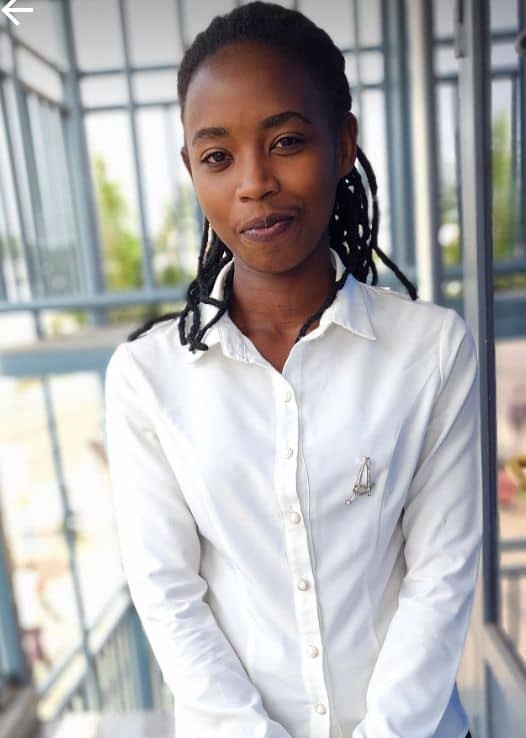
Mushimiyimana Aline, a year-two student at the Institut Catholique de Kabgayi, shared her appreciation for the medium, calling the day “wonderful” and emphasizing radio’s role in everyday life.
“Radio educates us, gives us information, tells us what is happening around the world, and plays music. Radio is truly our friend. Listening to the radio is a great thing; it helps us,” Aline explained, reflecting on how radio connects people to essential information.
Irakoze Sangwa Fabrice, another media student, echoed Alice’s views, highlighting radio’s vital role in keeping people informed.
“It is a great day to honor radio because it plays a vital role for people, such as keeping them informed about the news of the day, what happened yesterday, and what is happening globally. It helps people a lot. Everyone should be encouraged to listen to the radio because those who don’t listen may miss out on many things,” Fabrice shared, underscoring how important it is to stay connected through radio, especially for those who may not have access to other forms of media such as television or the internet.
Desange Akimana, a journalist at Radio Huguka, also shared her perspective on the significance of World Radio Day.
She expressed the importance of continuing to provide accurate and valuable news to listeners.
“It’s a day we celebrate by continuing to provide accurate news and discussions that are beneficial to our listeners, just as we always do,” Desange said, recognizing the role of radio in shaping public opinion and enhancing the public’s knowledge and understanding of current events.

According to Henry Mapesa, a lecturer at the Institut Catholique de Kabgayi who teaches Radio and TV Production, radio’s influence is immense, especially in Africa, where radio remains the primary communication tool.
“When I hear ‘World Radio Day,’ I feel the sense of radio having the power to reach everywhere,” Mapesa explained.
He emphasized that radio’s ability to reach people, even in remote areas where many lack access to television sets, makes it a powerful communication medium.
“We cannot underestimate the power of radio because it plays a major role in economic transformations, especially in Africa,” he added.
Mapesa noted that radio reaches people on the move whether they are traveling by vehicle, working in a garden, or riding a motorcycle making it one of the most accessible and impactful forms of communication in the region.
Mapesa also stressed radio’s role in encouraging national dialogue and empowering citizens. “Radio gives a platform to citizens,” he remarked.
Through talk shows, interviews, and interactive programming, radio provides a space for people to voice their opinions, engage in discussions, and contribute to shaping the nation’s future.
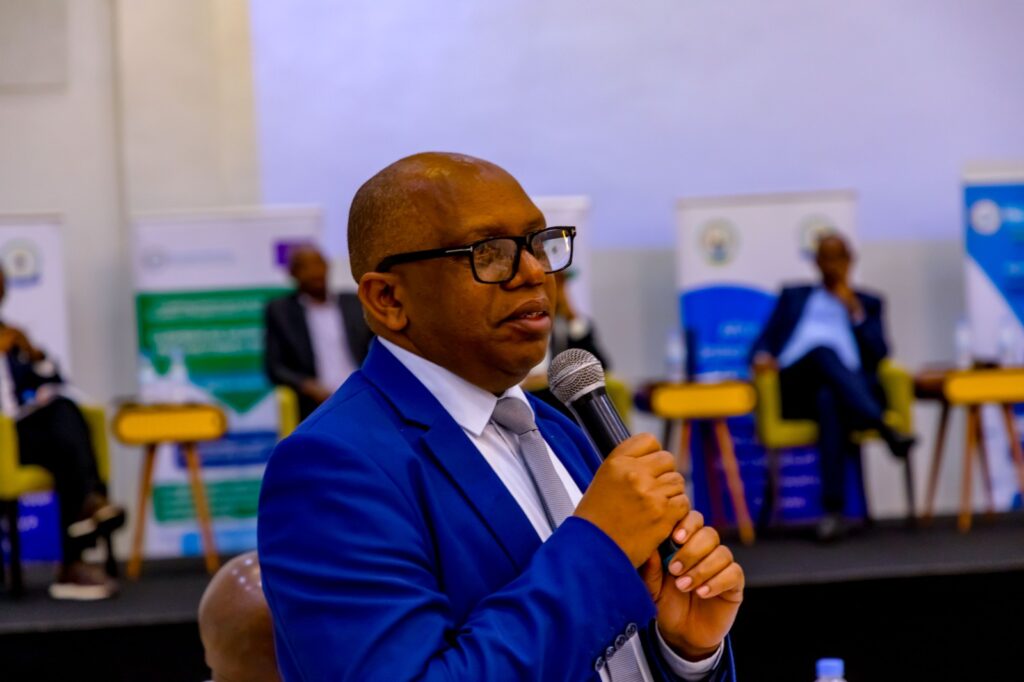
Jean Baptiste Hategekimana, the Dean of the Faculty of Journalism and Communication Studies, also contributed to the celebration, describing World Radio Day as a beautiful day because of its role in society.
“It’s a day people have to enjoy because radio has been important until now. The most news we listen to comes from radio. It has an important role in making news reach different places and in enlightening people, even those who cannot read or write. This is something to be happy about,” Hategekimana explained.
He further emphasized the importance of radio as a tool for education and societal development, and urged young journalists to expand their focus beyond entertainment. “Let them stop only going into entertainment, and instead, they should also go into news reporting,” Hategekimana advised, encouraging future journalists to embrace the responsibility of informing the public.
Jean Bosco Rushingabigwi, the Head of the Media Sector Coordination and Monitoring Department at the Rwanda Governance Board, also highlighted the significance of World Radio Day.
He explained that radio is a powerful tool in government activities, noting that radio journalists play a crucial role in shaping informed and responsible citizens.
“Radio is very helpful in government activities. Radio journalists play a crucial role in having good citizens through their thoughts and news programs because it makes them know and understand things that are important to them. And for leaders, it helps them to lead well,” Rushingabigwi emphasized.
He wished all journalists a good celebration of World Radio Day, underscoring the valuable role of radio in both educating the public and aiding leaders in their governance.
For the students of the Faculty of Journalism and Communication Studies at the Institut Catholique de Kabgayi, World Radio Day 2025 served as a reminder of the immense value radio brings to Rwanda’s development, social cohesion, and global visibility.
Currently there are over thirty radio stations operating in Rwanda.