

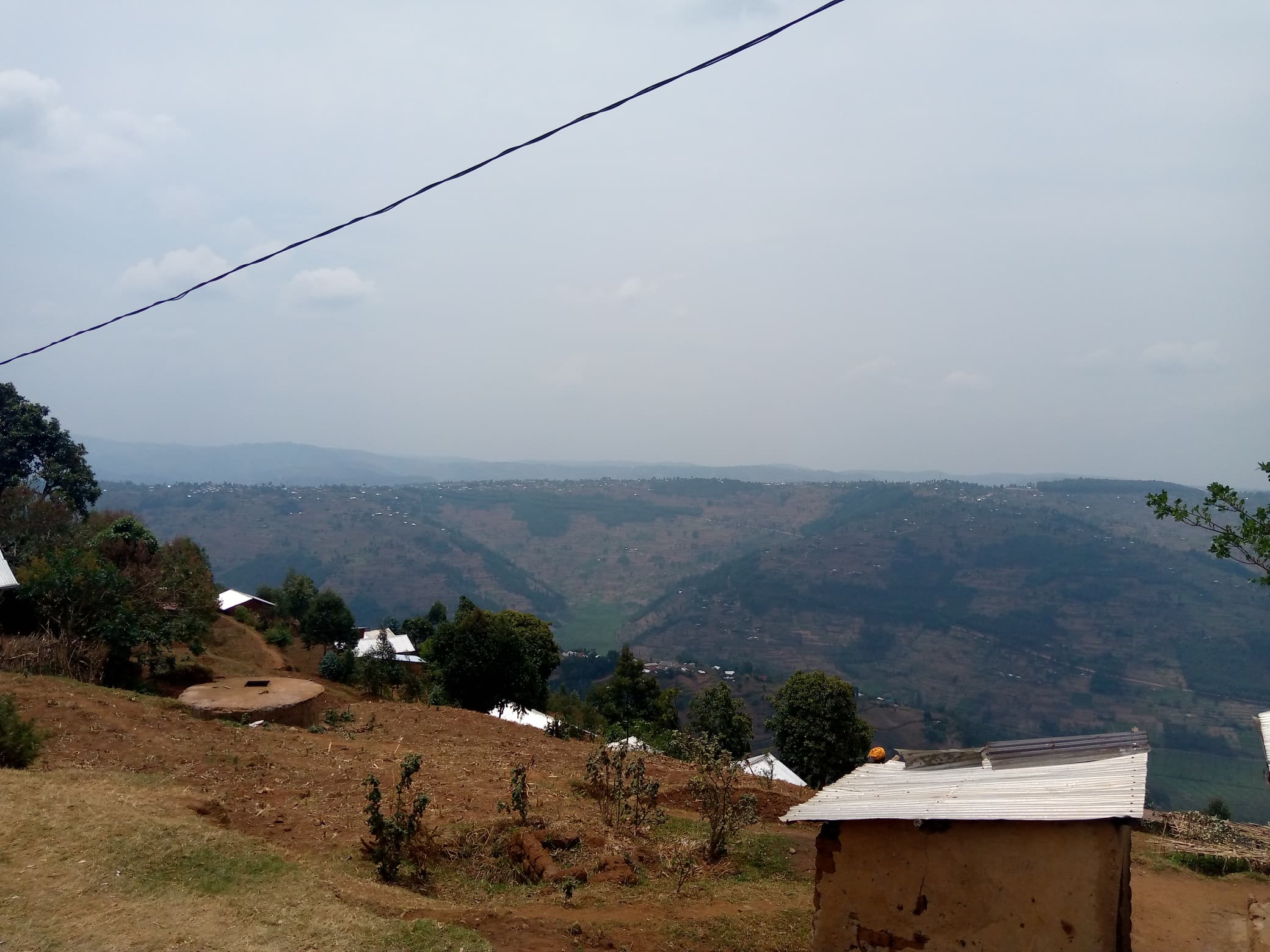
Historically Marginalized Communities in Gicumbi District, specifically in Ngondore Cell, Byumba Sector, are expressing gratitude towards the African Indigenous Minorities Peoples’ Organization (AIMPO) for its significant role in transforming their lives.

AIMPO has been instrumental in altering their mindset from one of neglect to one of cleanliness and self-improvement, as well as fostering economic development.
These community members appreciate AIMPO’s multi-faceted support, which includes providing educational opportunities for their children and offering vocational training to parents free of charge.
The vocational training courses cover essential skills, such as producing bar soap for laundry and liquid soap for household cleaning tasks like mopping.

In addition to these educational efforts, AIMPO supports traditional farming practices by distributing seeds at the beginning of each planting season. The organization also facilitates access to healthcare by enrolling these communities in mutual health insurance schemes.
Kabayo Maria Goreth, one of the beneficiaries, shared with ICK News her personal experience, emphasizing how AIMPO has positively impacted her life by promoting hygiene.
She remarked, “Now, a visitor will not find us in a state of uncleanliness because cleanliness is one of the core values they teach us.”
Mukandemezo Liliane, AIMPO’s Health and Hygiene Program Manager, reiterated the organization’s commitment to educating these marginalized groups about health and hygiene.
“Our focus is to instill the importance of cleanliness and provide education that fosters their development,” she told ICK News. “We decided to introduce them to agricultural activities because many of them struggle with food insecurity and lack financial means, often due to limited employment opportunities.”
She further explained that AIMPO’s strategy involves organizing these individuals into cooperatives to help them learn the skills necessary for farming.
The goal is to motivate them to apply these skills to their own small household gardens. Mukandemezo highlighted the organization’s approach to teaching self-reliance, starting by providing seeds and subsequently educating them on how to utilize available resources effectively. This way, they can eventually source seeds independently.
Since AIMPO began its initiatives, notable improvements have been observed within these communities. There is a growing understanding of the importance of maintaining clean homes, personal hygiene, and clothing.
Moreover, the community members have started embracing entrepreneurship, and social cohesion has improved as they learn to interact more openly and without prejudice.
AIMPO has been operational in Rwanda for two years, focusing specifically on enhancing the living conditions of historically marginalized communities. The organization’s efforts have made a profound impact, promoting dignity, self-sufficiency, and better quality of life.