

Universities are more than centers of academic learning. They are spaces where ideas are tested, values are formed, and future leaders begin to shape the societies they will serve. As Rwanda continues to advance gender equality and social inclusion, institutions of higher learning are playing an increasingly important role in preparing young people not only for careers, but also for responsible citizenship and transformative leadership.
This edition of ‘Gender Lens’ explores how universities across Rwanda, especially those raising future media practitioners, are contributing to that journey. Through conversations with students, lecturers, and university leaders, our stories reveal growing efforts to promote gender equality, strengthen women’s participation in leadership, challenge harmful stereotypes, and create safer and more inclusive learning environments.
The stories featured in this newsletter were produced by Journalism students, who are also members of the Gender Clubs, at Mount Kigali University, East African University of Rwanda, Institut Catholique de Kabgayi and the School of Journalism and Communication at University of Rwanda, engaged through the Rwanda Media Programme (RMP), implemented by Fojo Media Institute.
Through Gender Clubs established in partner universities, students have been equipped with knowledge, mentorship, and practical journalism skills that enable them to report on gender issues with greater confidence, accuracy, and sensitivity. These clubs have become important platforms for dialogue, leadership development, and professional growth, particularly for young women pursuing careers in media.
In this edition, we examine how gender concepts are perceived and understood by the university communities, including students, lecturers, stuff and leaders. We highlight the experiences of young women who are increasingly taking leadership positions within university governance structures. We also explore how Gender Clubs are helping prepare future journalists to tell stories that promote inclusion, fairness, and accountability.
At the same time, this edition addresses critical issues that continue to shape student experiences. Our reporting examines how universities are working to prevent and respond to sexual harassment through awareness campaigns, institutional policies, and reporting mechanisms designed to protect students and staff. These stories remind us that creating inclusive campuses requires more than policies alone; it requires trust, dialogue, accountability, and collective action.
A common thread runs through all the stories in this edition: meaningful progress occurs when awareness leads to action, when representation translates into participation, and when institutions create environments where every voice can be heard, respected, and empowered.
As coordinator of this newsletter, the Rwanda Media Programme and Fojo Media Institute remain committed to supporting the next generation of journalists in producing impactful, gender-responsive reporting that contributes to informed public dialogue and positive social change.
We invite you to engage with these stories, reflect on their insights, and join the ongoing conversation about the role of education, media, and leadership in advancing gender equality in Rwanda.
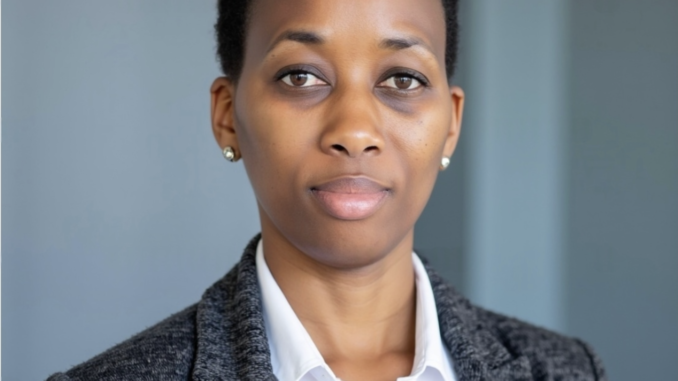
Author: Marie Anne Dushimimana, Gender Mainstreaming Coordinator at RMP/FOJO
Happy reading.