

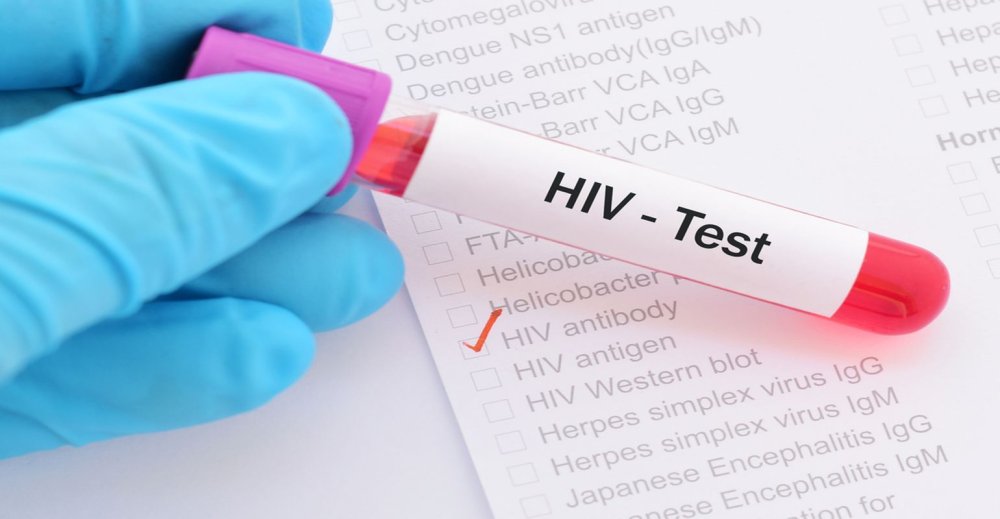
Data from the National Institute of Statistics of Rwanda (NISR) reveals that in 2023, a total of 1,111,600 Rwandans voluntarily underwent HIV testing. Among them, 9,270 individuals were diagnosed with the virus.
The statistics show that out of 681,934 women tested, 5,518 were found to be HIV positive. Meanwhile, among 429,666 men tested, 3,752 were diagnosed with the virus.
Further analysis indicates that 37,158 individuals under the age of 15 were tested, and 225 were found to be living with HIV. Among 380,371 individuals aged 15 to 24 who were tested, 1,602 tested positive. For those over 25 years old, 694,071 were tested, with 7,443 found to be HIV positive.
Regarding the regional breakdown, in the Eastern Province, 289,015 people were tested, with 2,675 found to be HIV positive.
In the Western Province, 237,897 were tested, and 1,431 tested positive, while among 143,435 individuals tested in the Northern Province,810 testing positive.
In the Southern Province, 206,557 were tested, and 1,543 tested positive while in Kigali City 2,811 were found to be HIV positive among 234,696 individuals tested.
Among adults living with HIV, 36.7% of men and 63.3% of women are on antiretroviral treatment. For children, 52.5% of girls and 47.5% of boys receive treatment.
Additionally, 74,437 couples were tested voluntarily in 2023. Among them, 2,458 couples were found to have one partner living with HIV while the other remained negative.
In 2022, 1,173,010 individuals were tested, with 8,507 found to be HIV positive. Of these, 3,404 were men, and 5,103 were women. This indicates the rise of number who tested positive in 2023.
The Rwanda Biomedical Center (RBC) reports that over 220,000 people nationwide are on antiretroviral treatment. Notably, 95% of these patients adhere to their treatment, and 90% show significant reductions in viral load.
Despite these achievements, HIV/AIDS remains a major public health concern.
In December 2024, the Minister of Health, Dr. Sabin Nsanzimana, highlighted that seven out of every 100 daily deaths in Rwanda are attributed to AIDS, primarily due to undiagnosed cases or fear of stigma.
However, this marks significant progress compared to a decade ago, when over 20 daily deaths were linked to AIDS.
Efforts to reduce mother-to-child transmission of HIV have also shown remarkable success, dropping from 2% in previous years to 0.9% in 2024.
Women engaged in sex work remain the group most at risk, with 35% living with HIV. While this represents a decline from 50% a decade ago, the reduction has been slow.