

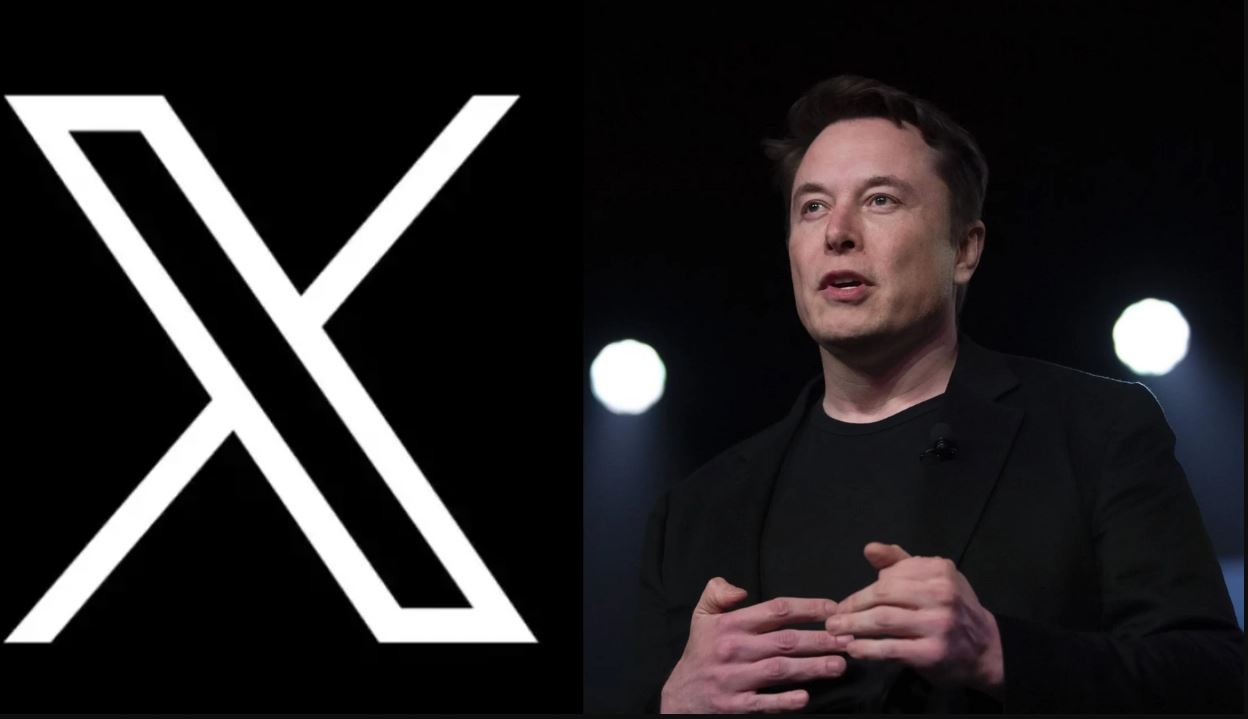
Britain’s The Guardian newspaper announced on Wednesday 13 November, it would no longer post content from its official accounts on Elon Musk’s X, branding it a ‘toxic media platform’.
Since Musk’s acquisition of Twitter in 2022, X has undergone significant changes. Many of these shifts have raised alarms among users and media organizations. From the reinstatement of banned accounts to the loosening of restrictions on hate speech and misinformation, X has become a battleground for competing ideologies, including far-right conspiracy theories and racism.
The decision by The Guardian is the latest in a string of criticisms leveled against Musk’s management of the platform. Media organizations and independent researchers have raised concerns about the resurgence of harmful content, including misinformation and hate speech, which Musk has largely tolerated in the name of free speech.
These shifts, coupled with Musk’s frequent forays into political discourse, have made X a less appealing space for many who valued its role as a neutral platform for dialogue and news sharing.
Is X politically neutral?
A key aspect of the criticism surrounding X’s evolution under Musk’s leadership has been the platform’s increasing entanglement in political and ideological battles.
In April 2022, Musk argued that the platform had failed to fulfill its potential as a bastion of free speech. Shortly after the acquisition, Musk emphasized that the platform must remain “politically neutral” to earn public trust. His commitment to the principle, however, is now under scrutiny.
Experts suggest that Musk, who is the most-followed user on X with 196.6 million followers, is increasingly using the platform as a megaphone for his political views. The shift has raised questions about the platform’s role in global political discourse.
Musk’s political shift after X
Before X, Musk rarely engaged in public disputes with politicians or avoided them altogether. After acquiring X, however, Musk began to engage more frequently in disputes with governments and state leaders, unlike other social media platform owners.
In April, Musk clashed with Australian Prime Minister Anthony Albanese’s government for the suspension of access to footage related to a church attack in Sydney.
Musk criticized the Australian government’s censorship decision, while Albanese called Musk a “conceited billionaire” who sees himself above the law.
In September 2023, Musk made an anti-immigrant post on X, sharing a media report about eight German NGO ships collecting irregular migrants in the Mediterranean “for offloading in Italy.” Germany’s Foreign Ministry responded.
Musk also engaged in a social media spat with Maduro, who was declared the winner of the July 28 presidential election in Venezuela.
The exchange took an interesting turn when Maduro challenged Musk to a duel.
On August 9, Maduro ordered a 10-day ban on access to X in Venezuela, claiming that the platform was spreading hate and violence.
Musk continued to post about the election results in Venezuela while commenting on violence caused by far-right groups in the UK.
Following attacks on hotels and mosques housing refugees and immigrants across the UK, Musk posted that “civil war is inevitable,” leading to a confrontation with UK Prime Minister Keir Starmer and government officials.
In late August, the Brazilian Supreme Court announced a ban on access to X in the country “until a country representative is appointed and the fines are paid.”
In response, Musk posted on X: “Freedom of speech is the cornerstone of democracy, and the so-called unelected judge in Brazil is destroying it for political reasons.” The platform paid a fine of $5 to have the ban lifted as required by the court.
In July, the EU Commission launched an investigation into X for violating the EU’s Digital Services Act (DSA) by allowing disinformation and illegal hate speech on the platform.
Musk claimed that the Commission offered an illegal “secret deal” not to impose a penalty in exchange for quietly censoring conversations, which X did not accept.
Can X Lose its popularity amid rising competition?
X’s rivals already appear to be benefiting. Competitors like Bluesky and Threads are positioning themselves as viable alternatives. These newer platforms are capitalizing on the growing dissatisfaction with X by offering users different approaches to social media engagement.
Bluesky, a decentralized social media platform founded by former Twitter founder, Jack Dorsey, briefly topped the download charts in the UK and US Apple App Stores.
Its userbase has grown by four million in two months, and Bluesky said in a post on Tuesday that it had picked up a million new users in the seven days since Trump’s win.
However, it remains comparatively tiny, with 15 million users worldwide.
Similarly, Threads, developed by Meta (the parent company of Facebook and Instagram), has quickly become a strong contender in the microblogging space. Threads provides a similar format to X but with more robust content moderation practices and tighter community guidelines.
What’s next for X?
While X remains a major player in the social media space, its increasing association with political polarization, misinformation, and toxic behavior may erode its user base over time. For Musk’s vision to succeed, he will need to address concerns about content moderation, user safety, and the platform’s role in fostering meaningful discourse.