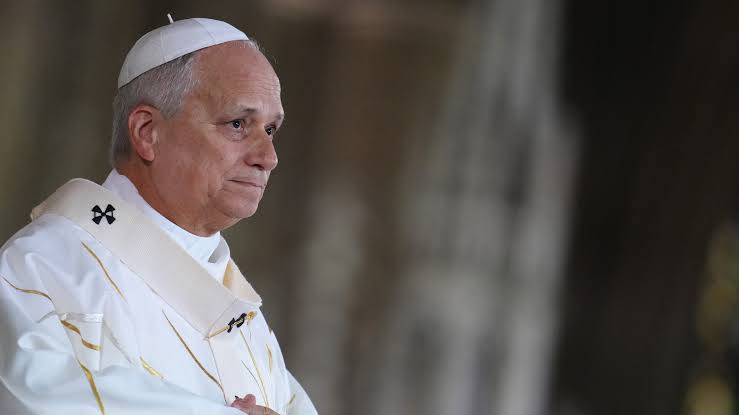
Pope Leo XIV diagnosed with lung cancer after successful surgery
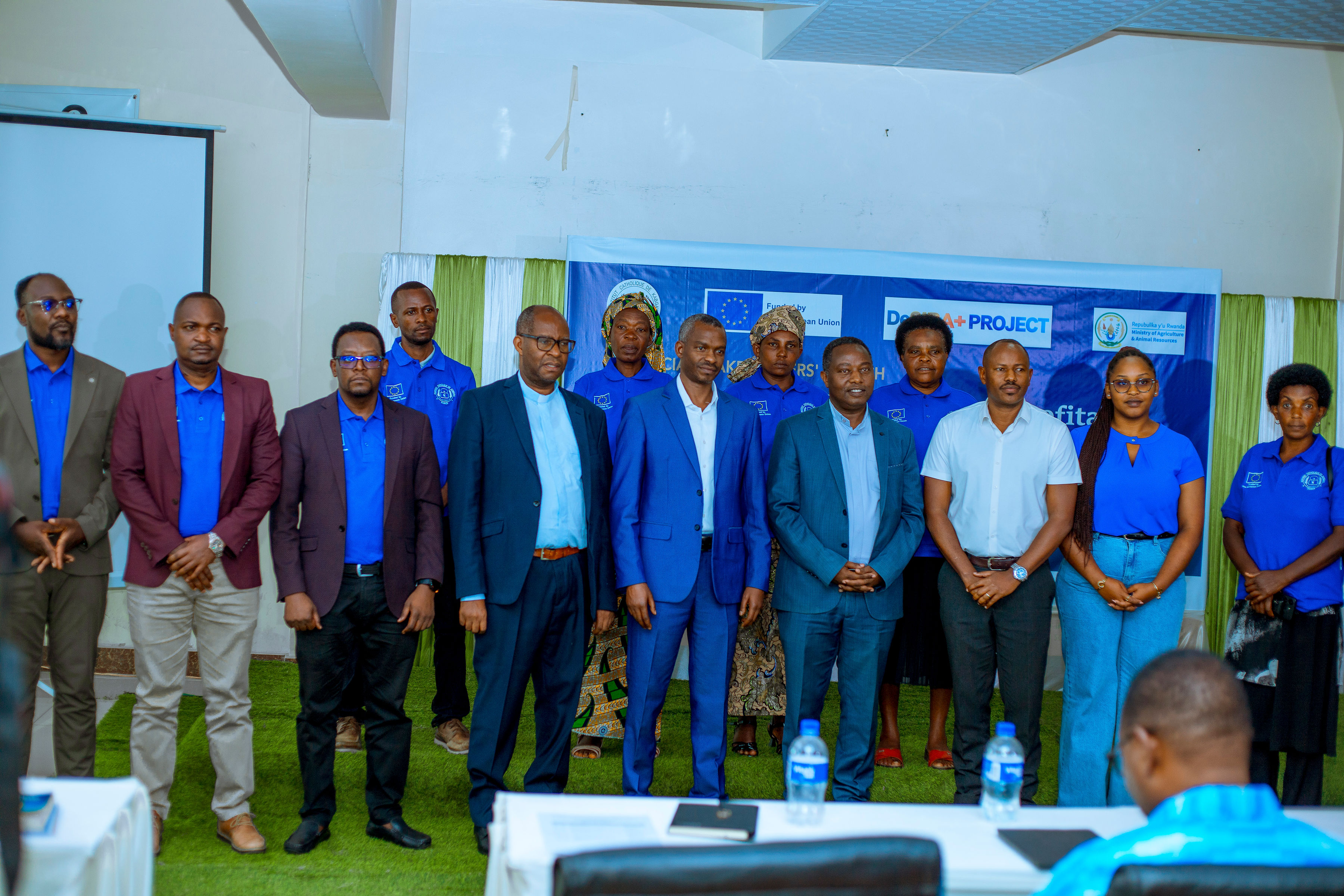
ICK launches Biofloc Technology Project to boost fish production in Rwanda
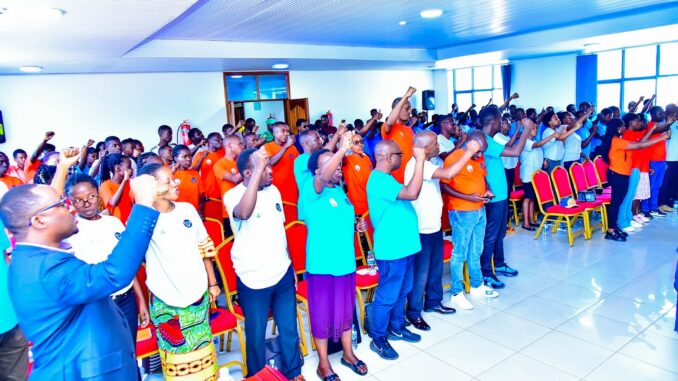
Muhanga: Youth urged to be a catalyst for lasting change and development
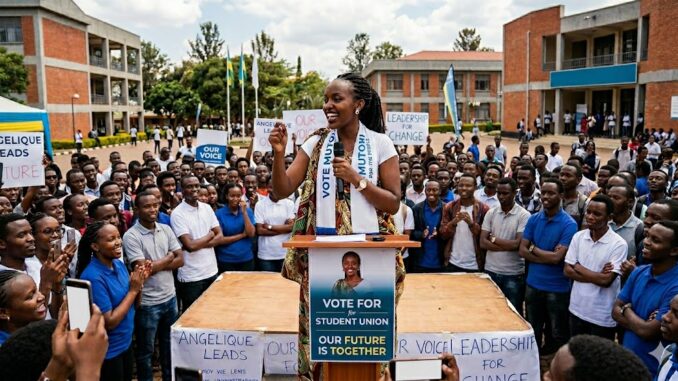
From representation to participation: Women's voices gain ground in university leadership
BAL 2025: What to expect from the play-in games that set the quarterfinal draw
Pope Leo XIV has been diagnosed with lung cancer after doctors removed the lower part of his right lung in a 90-minute operation at Gemelli Hospital in Rome…
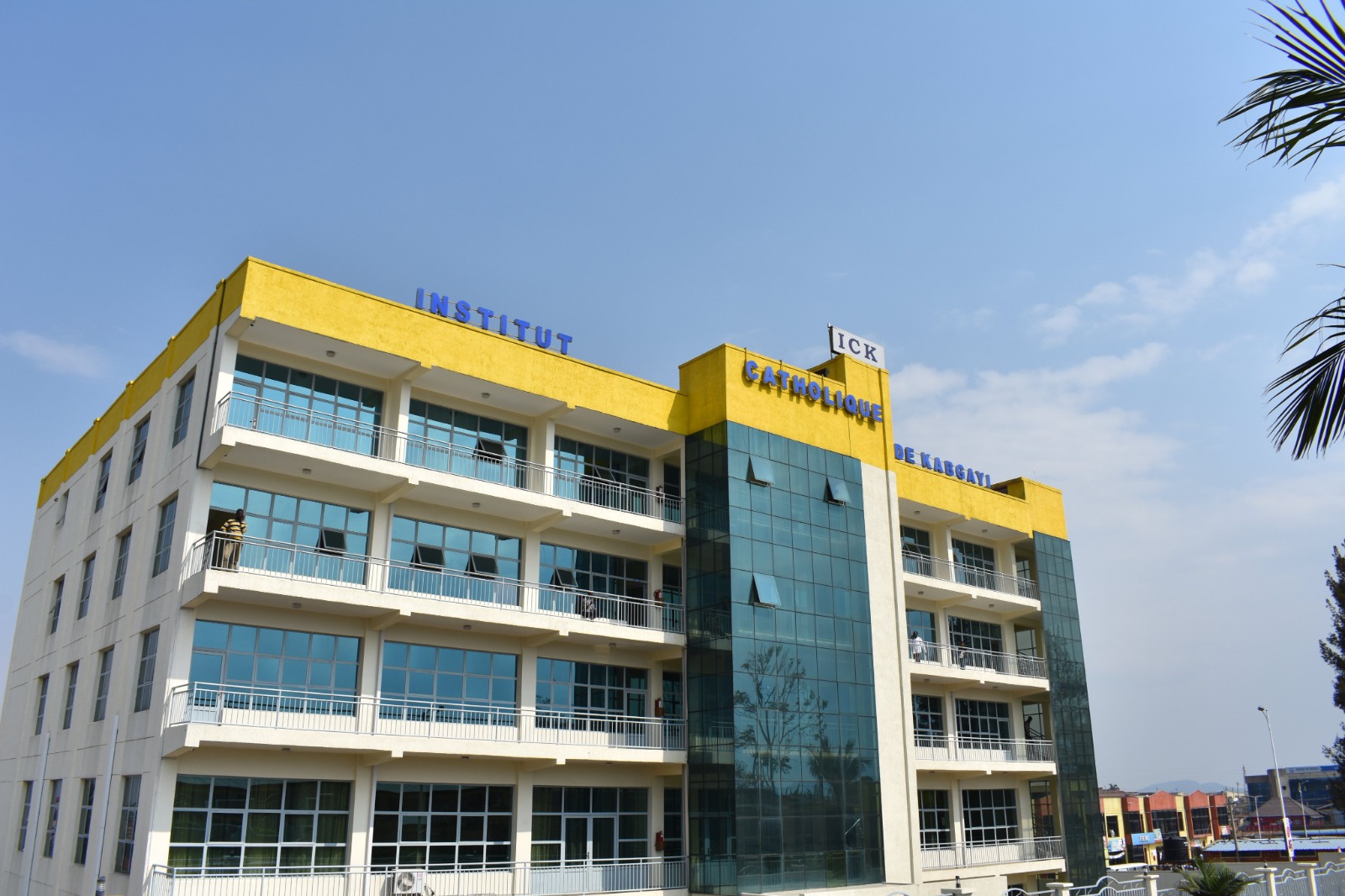
Institut Catholique de Kabgayi (ICK) has launched a project aimed at improving fish farming in Rwanda through Biofloc technology, with a focus on increasing…
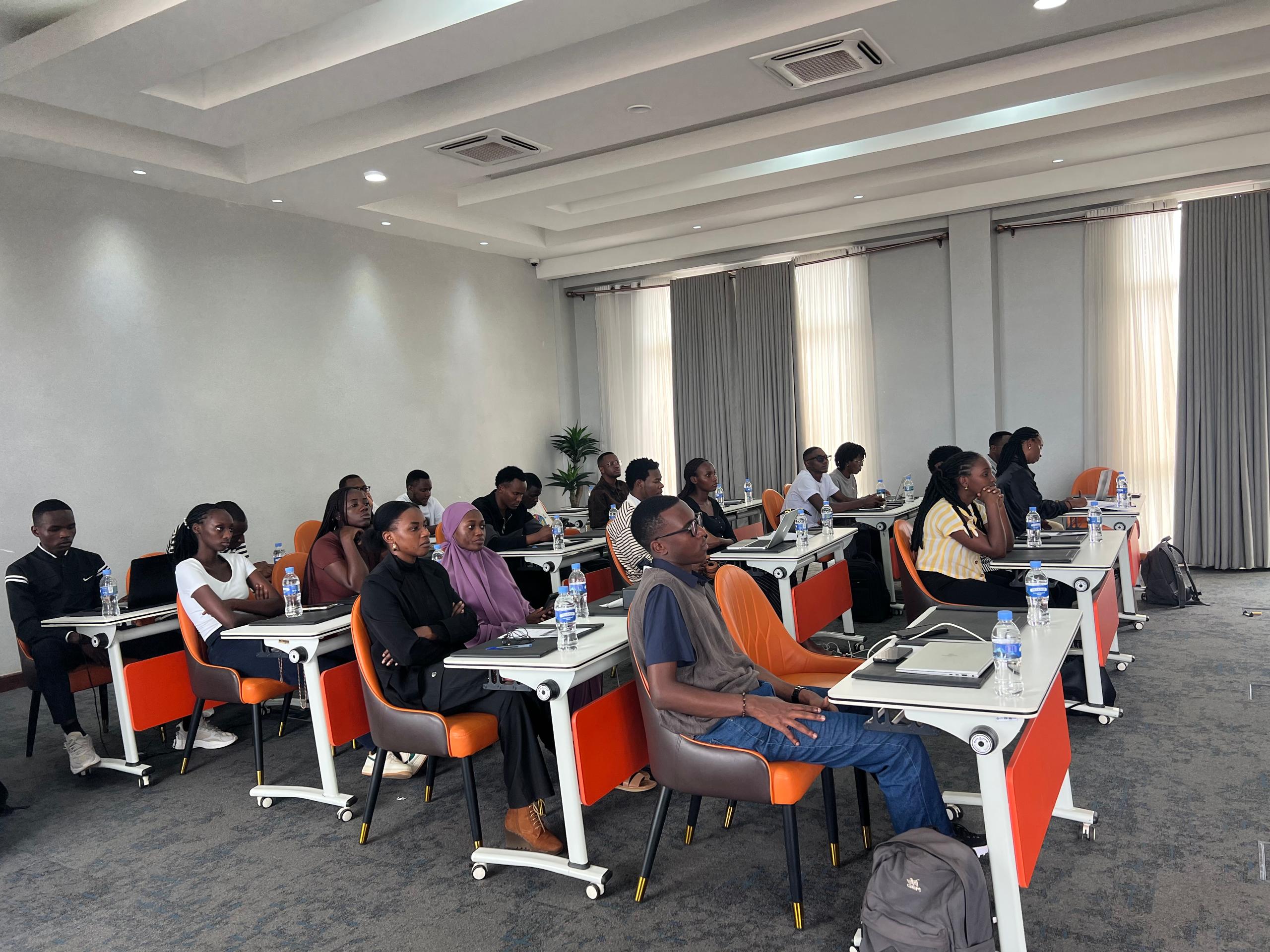
Today, Journalism students from the Institut Catholique de Kabgayi (ICK) and East African University Rwanda (EAUR) have completed a five day mentorship focused…
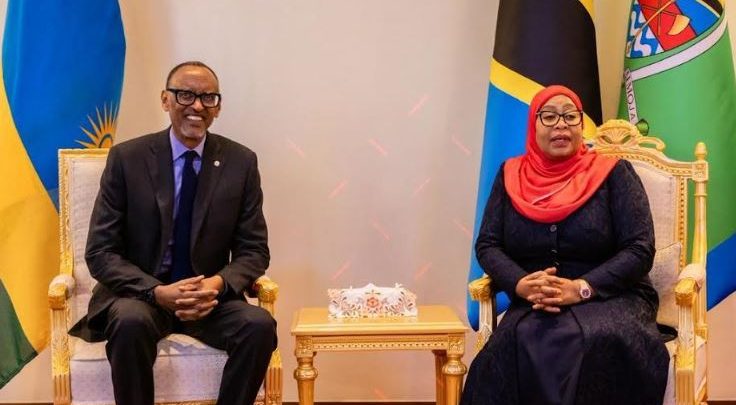
President of the Republic of Rwanda, Paul Kagame, has expressed his condolences to Tanzanian President Dr. Samia Suluhu Hassan following the death of her…
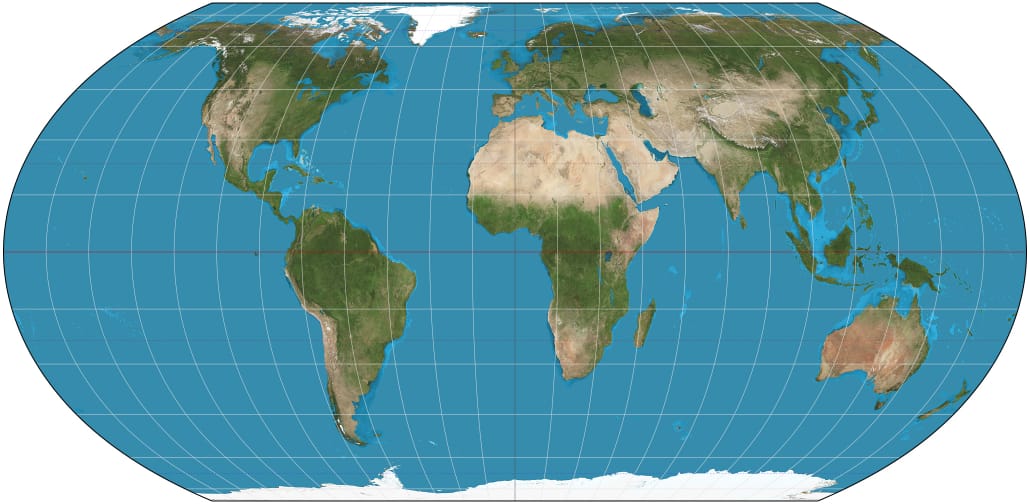
The United Nations voted for endorsing a new standard for how the world map should look like. The vote passed 164 to 1, with six abstentions with The United…
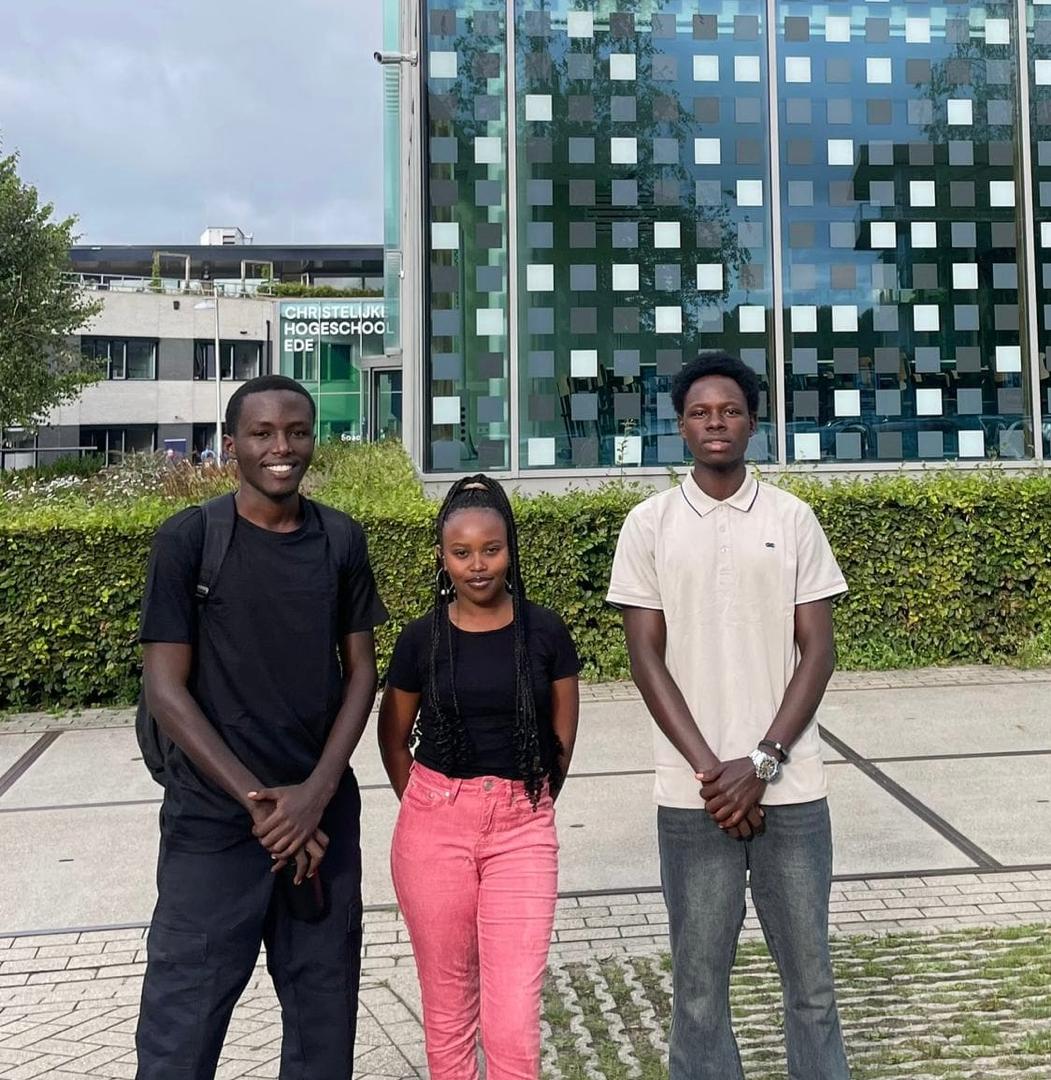
Three students from the Institut Catholique de Kabgayi (ICK) have begun their studies at Ede Christian University of Applied Sciences (CHE) in the Netherlands…
Institut Catholique de Kabgayi (ICK), in partnership with CHANCEN International Rwanda, has opened applications for financial support for students seeking to…
Parents whose children attend Ahazaza Independent School in Muhanga City have praised the school for offering both the Rwandan national curriculum and the…
Pope Leo XIV has been diagnosed with lung cancer after doctors removed the lower part of…
Institut Catholique de Kabgayi (ICK) has launched a project aimed at improving fish…
Today, Journalism students from the Institut Catholique de Kabgayi (ICK) and East African…
President of the Republic of Rwanda, Paul Kagame, has expressed his condolences to…
The United Nations voted for endorsing a new standard for how the world map should look…
Three students from the Institut Catholique de Kabgayi (ICK) have begun their studies at…