

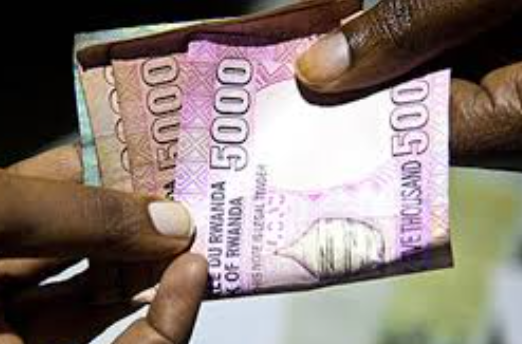
When Transparency International released the 2025 Corruption Perceptions Index in early February, Rwanda had reason to celebrate. The country scored 58 out of 100, its highest mark since it began participating in the index, and ranked 41st out of 182 countries worldwide. In Africa, Rwanda placed third among the best performing nations.
On paper, the numbers signal progress. But people say note yet as ICK News reveals a more complex reality behind the rankings. While Rwanda continues to improve internationally, corruption has not disappeared from daily life.
Rwanda’s climb and the dip that raised questions
Rwanda’s performance over the past decade reflects both progress and setbacks. The country scored 49 in 2014 and rose steadily to 56 in 2018. However, in 2022, the score dropped to 51 and the country slipped to position 54 globally.
That decline raised concerns among governance analysts. Since then, Rwanda has regained momentum. The score increased to 53 in 2023, 57 in 2024, and now 58 in 2025, pushing the country up to 41st place.
The 2025 score is based on seven international data sources. Rwanda performed strongly in business and governance indicators, including 73 percent from the World Economic Forum assessment and 60 percent from the World Justice Project Rule of Law Index. Other ratings ranged between 46 and 69 percent.
While these figures reflect institutional strength, they do not always capture the lived experiences of ordinary citizens.
Third in Africa
In Africa, Rwanda ranks third with 58 points, behind Seychelles with 68 and Cape Verde with 62.
Within East Africa, the contrast is striking. Tanzania scored 40, Kenya 30, Uganda 25, the Democratic Republic of Congo 20, and Burundi 17. The wide gap reinforces Rwanda’s regional standing, but it also highlights the fragile nature of governance gains in a region where corruption remains widespread.
Corruption in everyday life
Despite the improved international standing, national research suggests corruption still affects daily life.
A study by the National Institute of Statistics of Rwanda found that 14.6 percent of citizens reported encountering corruption in 2025. Although this is a sharp decline from 29.1 percent in 2022, it still means nearly one in seven Rwandans faces some form of corrupt practice.
To understand how this plays out on the ground, ICK News interviewed residents across several districts.
Jean Bosco Hirwa from Ruhango District described a system where unofficial payments can influence service delivery.
He said that when many people seek the same service, those who pay extra are often served first, while others are told to return another day.
Jacques Nsengimana from Bugesera District warned that corruption undermines both the economy and the country’s reputation. According to him, even isolated cases can weaken public trust and slow development.
In Musanze District, Chantal Ingabire pointed to a more hidden but damaging form of corruption. She spoke about sexual exploitation in the job market, where some employers allegedly demand sexual favors in exchange for employment.
Such cases rarely appear in official statistics, yet they reveal how corruption can take different forms beyond financial bribes.
Officials call for greater accountability
During the official release of the report on February 10, 2026, Rwanda’s Ombudsperson, Honorable Madeleine Nirere, acknowledged the progress but stressed that the country has not reached its goal.
She called on journalists to strengthen investigative reporting and urged authorities to allow the media to operate freely when exposing corruption.
Apollinaire Mupiganyi, Executive Director of Transparency International Rwanda and member of its global board, emphasized the role of citizens. He said individuals must report poor service and bribery attempts so that offenders are held accountable.
He also addressed sexual corruption directly, stating that no woman should ever have to exchange her body for a job and encouraging victims to report such cases to authorities.
Democracy and quality of life
The CPI 2025 data shows a clear pattern. Countries with strong democratic institutions score an average of 71 points, while those without democracy average just 32. Nations with stronger civil freedoms also tend to report lower levels of corruption.
The findings further show that high corruption levels are linked to lower standards of living, weaker health systems, and reduced public trust.
Progress with caution
Rwanda’s rise to 41st globally reflects steady institutional reforms and sustained anti-corruption efforts. However, the 14.6 percent of citizens who still report experiencing corruption reveal that the fight is not yet won.
Behind the rankings lie personal stories of delayed services, economic setbacks, and exploitation. These realities challenge the country to move beyond perception and ensure that anti-corruption policies translate into tangible change for every citizen.
For Rwanda, the 2025 CPI offers both recognition and a reminder. The progress is visible, but vigilance, transparency, and civic courage remain essential if the country is to climb higher and ensure that corruption becomes truly unacceptable in every corner of society.
Author: Arlene Umubyeyi