

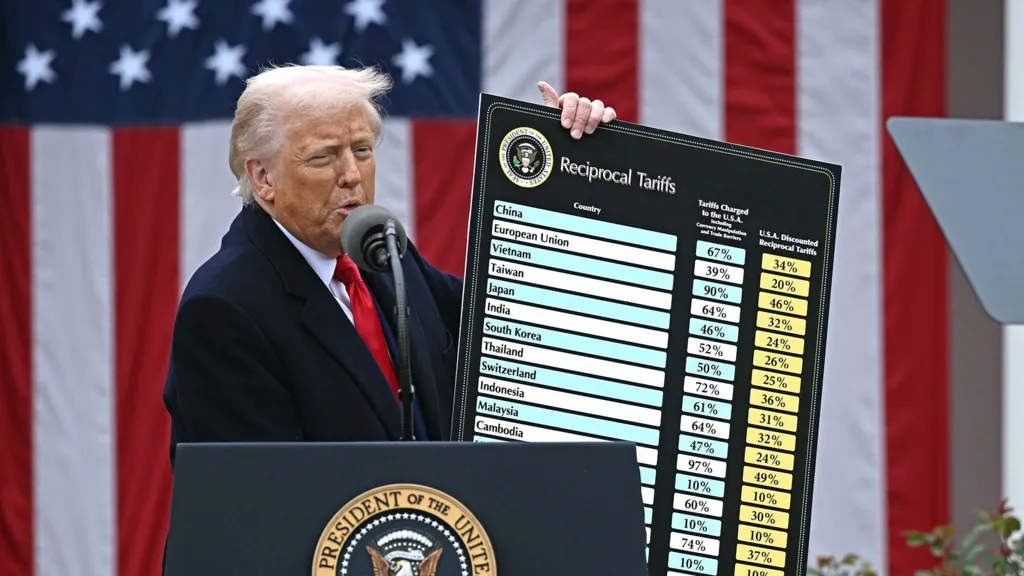
As U.S. President Donald Trump marks the first 100 days of his second term in office, his administration is already reshaping American foreign policy, particularly toward Africa.
Rwanda, a long-time partner of the United States, is somehow feeling the early impact like all other African countries.
Trump’s return to the White House presents both challenges and opportunities for Rwanda.
In a significant shift, the U.S. has imposed a 10% tariff on all Rwandan imports as of April 2025, effectively ending the country’s duty-free access.
This move threatens to undermine Rwanda’s key export sectors, including coffee, tea, and minerals, by reducing their competitiveness on the U.S. market and potentially cutting export revenues.
In addition, U.S. foreign aid to Rwanda is being slashed by 65%, with major cuts affecting vital programs such as the President’s Emergency Plan for AIDS Relief (PEPFAR) and funding from the U.S. African Development Foundation.
These reductions could severely impact health initiatives and rural development projects that have long depended on American assistance.
At the same time, the Trump administration is in talks with several African countries, including Rwanda, to facilitate the return of deported migrants. While controversial, this policy underscores the administration’s focus on migration control.
Despite these setbacks, Rwanda remains a key player in U.S. diplomatic efforts in the region.
Washington is currently brokering a regional agreement between Rwanda and the Democratic Republic of Congo, aimed at enhancing peace and ensuring responsible mineral trade.
This places Rwanda at the heart of a high-stakes strategic dialogue.