


Today, academic staff at the Institut Catholique de Kabgayi (ICK) gathered for a pivotal pedagogical seminar aimed at enhancing teaching practices and ensuring the delivery of high-quality education.
The seminar, themed “Rethinking Our Pedagogical Practices for Effective Skills Development to Respond to Rwanda’s National Development Priorities,” underscored the institution’s commitment to aligning its educational framework with Rwanda’s developmental objectives.
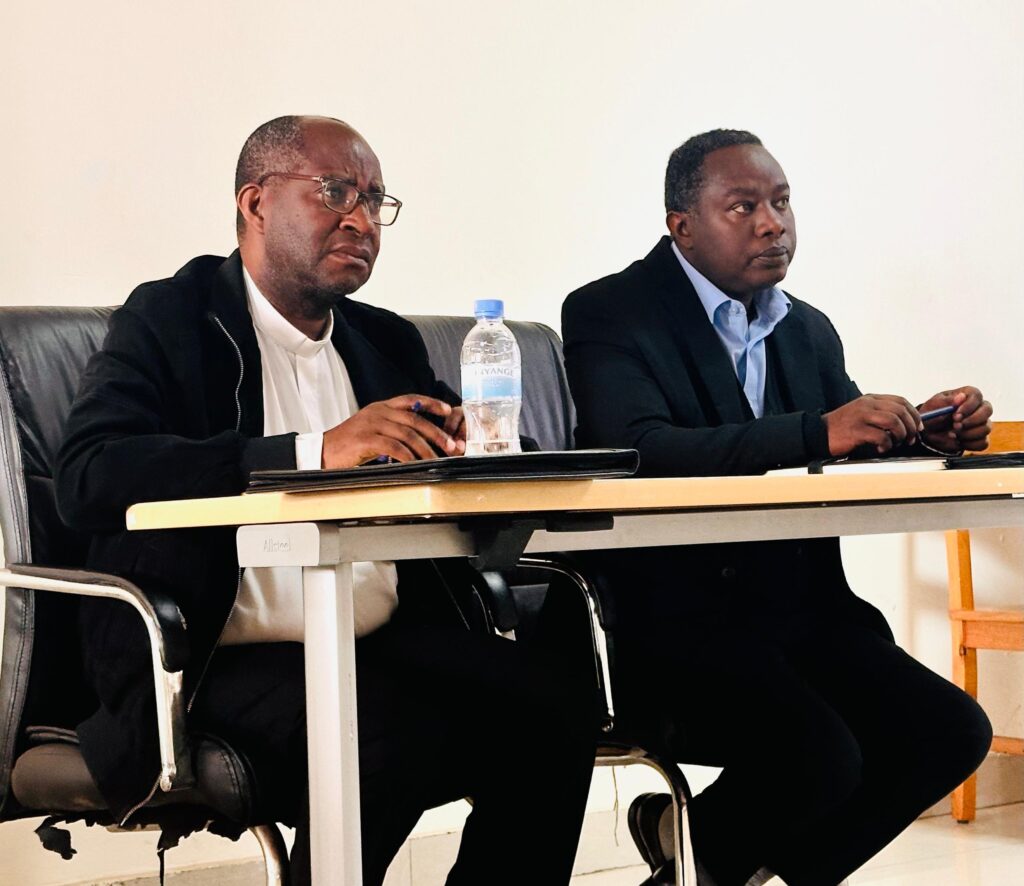
The seminar, officially opened by ICK’s Vice-Chancellor, Father Prof. Fidèle Dushimimana, featured a series of activities, including group discussions and interactive sessions designed to critically assess and improve the quality of teaching, learning, and assessment at ICK.
Participants engaged in robust discussions addressing key questions such as: How can lecturers ensure the quality of teaching, learning, and assessment to foster skill development in students, to what extent do current pedagogical practices promote the development of practical, job-specific skills that align with Rwanda’s national priorities, how can academic leaders effectively monitor and evaluate teaching, learning, and assessment activities, and what measures can improve the organization, conduct, and supervision of industrial and school attachments to ensure they provide valuable, hands-on job skills.
In his opening remarks, Father Prof. Dushimimana highlighted ICK’s dedication to supporting Rwanda’s Vision 2050 and the second National Strategy for Transformation (NST2).
He stated, “Our Vision is to be a Centre of academic and professional excellence at national, regional, and international levels. Our Mission is focused on advancing knowledge, skills development, and innovation.”
He further elaborated on the seminar’s objectives, emphasizing its role in addressing that problem of the skills gaps in Rwanda.
“This seminar aims to help us critically examine our pedagogical approaches, considering how we can transform both teaching and learning to better align with the needs of the evolving labor market and national development goals,” he said.
Father Prof. Dushimimana added, “This seminar presents a valuable opportunity for us to reflect on both our past and current pedagogical practices, to learn from our strengths and weaknesses, and to adapt our approaches to ensure we are developing the skills necessary to address the pressing development challenges of today.”
Charting the way Forward
Father Dr. Prudence Bicamumpaka, the Deputy Vice-Chancellor for Academics and Research, expressed confidence in the seminar’s impact on the institution.
“We trust that the knowledge and skills equipped with ICK’s academic staff during this pedagogical seminar will drive significant improvements in the quality of education ICK provides,” he stated.
He reminded academic staff of the critical role quality assurance plays in maintaining and enhancing educational standards.
“Quality assurance ensures that ICK remains competitive in the global labor market and adapts effectively to the evolving educational landscape,” he emphasized.
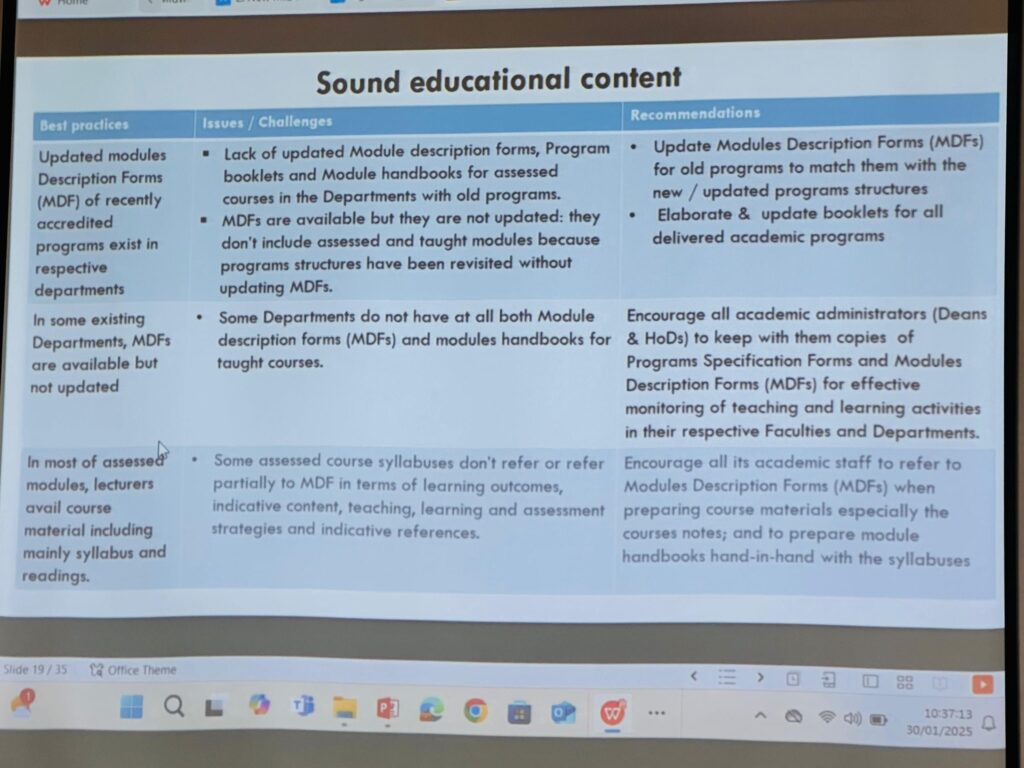
Mr. Célestin Twagirumukiza, the Quality Assurance Director at ICK, highlighted the need for a paradigm shift in teaching methodologies.
He remarked, “My fellow educators need to start reflecting on their teaching methods by asking themselves, ‘How can we help students acquire skills rather than just knowledge?”
He added, “Awareness has now been raised, and we are pleased about that. As a result, the next step is to change how we plan lessons, ensuring they align with the module descriptions. Essentially, we are simply being asked to comply with these standards.”
According to Twagirumukiza, this approach will enable lecturers to assess not only the students’ knowledge but, more importantly, the skills they have acquired.
The seminar’s discussions align with broader national and global objectives to address the skills mismatch identified in reports such as the World Bank’s findings.
Traditional pedagogical practices in many tertiary education institutions are often cited as contributing to the skills mismatch, as discussed at the recent Rwanda Higher Learning Workshop organized by MINEDUC in January 2025.
Currently, ICK offers programs across various faculties, including Journalism and Communication Studies, Science of Development, Social and Economic Sciences, Business Management, Education, and Health Sciences.