

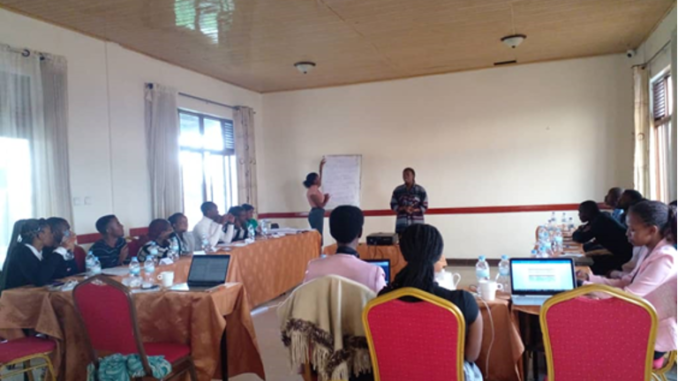
Early 2022 when the first gender club workshops were held,some journalism students arrived with little understanding of gender equality beyond what they had heard in everyday conversations. For many, gender issues were often viewed as women’s issues, while discussions about gender-based violence, newsroom discrimination, or inclusive reporting felt distant from their future careers.
Established in 2021 through the Rwanda Media Programme, a project implemented by Fojo Media Institute, the clubs were designed to empower journalism students, particularly women, and prepare them to pursue successful careers in journalism while developing expertise in gender-sensitive reporting.
They were introduced at the four journalism teaching universities, namely the East African University Rwanda (EAUR), the University of Rwanda’s School of Journalism and Communication (UR/SJC0), Institut Catholique de Kabgayi (ICK), and Mount Kigali University (MKU).
Marie Anne Dushimimana, the FOJO Staff in charge of Gender Mainstreaming, describe the situation inside the workshop rooms at that time, as intense and defensive. “On one hand, we had male participants with understanding that Gender concept was about women gaining power over men and men being oppressed, while most of female participants were silent, like they were not concerned,” she said.
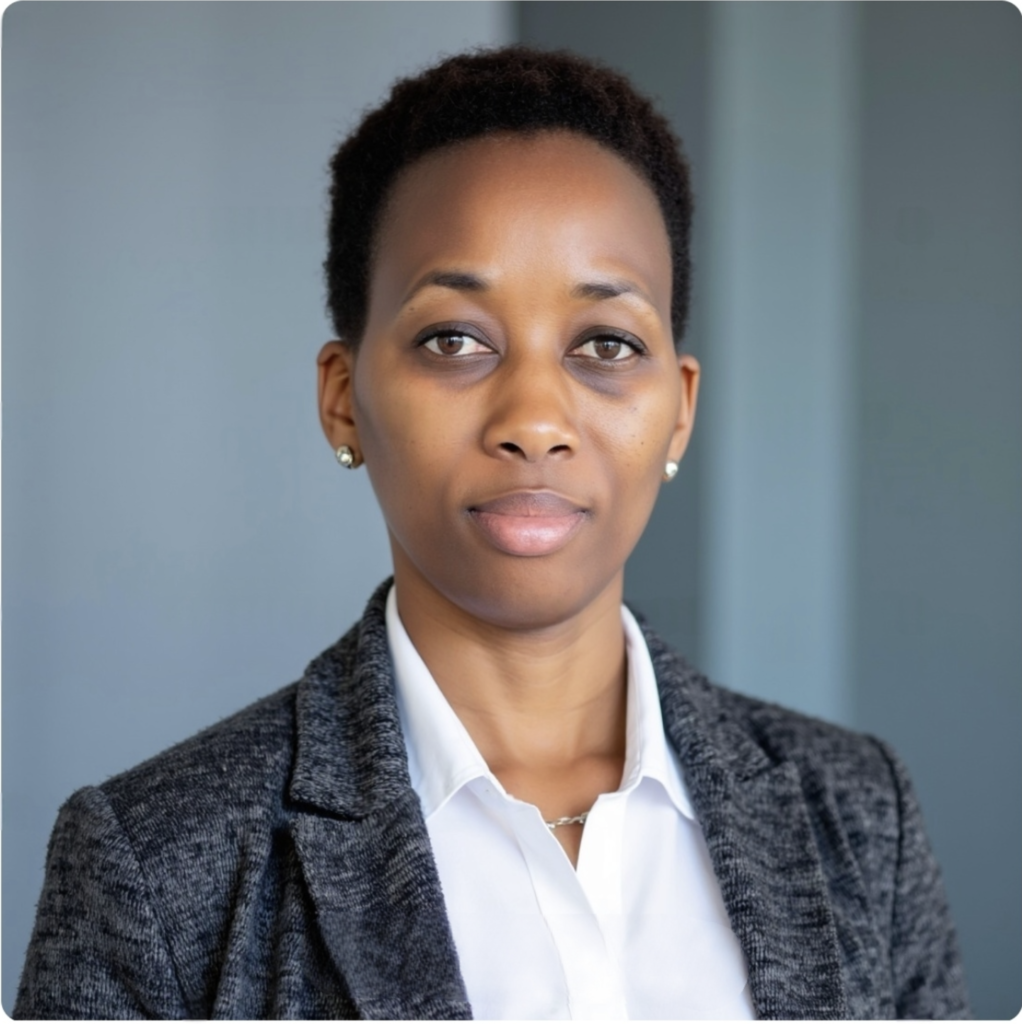
Marie Anne Dushimimana, the FOJO Staff in charge of Gender Mainstreaming
Progressively, through debates, mentorship sessions and conversations with experienced journalists, students were encouraged to question stereotypes, reflect on social norms, and explore how gender shapes both society and the stories reported by the media, she narrated.
Four years later, many of those students say the experience transformed not only their understanding of gender issues but also their confidence, leadership abilities, and professional ambitions.
Alodie Uwayezu, a Gender Club member, said joining the club helped her strengthen her communication, public speaking, and critical thinking skills. She explained that participating in discussions and debates increased her confidence and improved her ability to express ideas clearly.
Her involvement also opened doors to professional opportunities, including training in gender-based violence reporting, visual storytelling, and investigative journalism through the Rwanda Media Programme, Family Magazine, and FOJO Media Institute.
“I have acquired lot of skills thanks to the club. For now, I can do proper gender reporting, I can manipulate a camera, I can edit a professional video and I know my right as women, just to mention a few,” she said.
At Institut Catholique de Kabgayi, club leaders say training and mentorship have played an important role in transforming students’ attitudes and perspectives.
Papias Irambona, Gender Club President at ICK said trainings have helped students better understand gender equality, harassment, and professional conduct within media environments.
He said many students who initially lacked confidence have become more outspoken and aware of their potential. “We have examples of ladies who were not in the guild council, but gender club helped them to raise their level of self-esteem and they were elected for various positions representing fellow students,” he said.
He added that the club has enabled students to better understand workplace dynamics and challenges that journalists may encounter in professional settings.
Career Development and Professional Exposure
Beyond awareness raising, Gender Clubs have contributed to positive social change on university campuses by promoting respect, inclusion, and cooperation among students. Through sensitization campaigns, debates, and peer discussions, students are encouraged to challenge harmful stereotypes and contribute to a culture of equality.
According to Eduque Isingizwe, President of the Gender Club at the East African University Rwanda, gender club has become a highly successful and impactful student initiative dedicated to promoting gender equality, inclusion, and empowerment at East African University Rwanda.
“The club has created a space where both male and female students actively participate in addressing gender-related issues and advocating for a safer and more inclusive campus environment,” he said.
He added that one of its greatest achievements has been empowering Gender Club members with leadership skills, gender reporting, communication, and advocacy skills that prepare them for future opportunities.
Despite challenges such as limited resources and misconceptions about gender equality, Isingizwe said the club continues to grow through collaboration with university management and development partners.
Former ICK Gender Club President Bardine Iratuzi, who is currently undertaking her professional internship at the Rwanda Broadcasting Agency (RBA), said the club significantly contributed to her personal and professional growth.
She credited the club with helping her develop confidence, public speaking skills, and leadership abilities.
Iratuzi also highlighted her participation in the African Women in Media Summit in Senegal, an opportunity she received through FOJO Media Institute as a Gender Club member.
“The club gave us many opportunities to learn from experienced professionals. For me, it greatly increased my confidence. Seeing successful women in media made me believe that I could also build a successful career,” she said.
Meghan Iribagiza, another club member at ICK and an aspiring television presenter, said the club helped her build self-esteem and better understand how to navigate professional environments.
“The Gender Club transformed my understanding and made me realize that I have valuable ideas and contributions to offer,” she said.
Building Gender-Sensitive Journalists
Educators and gender specialists across participating universities say Gender Clubs have become important platforms for preparing students to become socially responsible and inclusive professionals.
For Nzayurugo Albert Fils, Head of the Mass Communication Department and Gender Club mentor at EAUR, the clubs serve as an important platform for nurturing socially conscious journalists. He explained that the clubs expose students to real societal issues, including gender-based violence, discrimination, and stereotypes, through dialogue, debates, and community engagement activities.
“This understanding is essential in journalism, where fairness, balance, and ethical reporting are fundamental principles,” he said.
Furthermore, according to Nzayurugo, Gender Clubs help future journalists develop professional values that promote balanced, fair, and gender-sensitive reporting. Beyond raising awareness, they also help students develop practical skills such as leadership, teamwork, communication, and critical thinking, competencies that are highly valued in the media industry.
Similarly, Reverend Uwimana Jean-Pierre, a researcher and Head of Gender Studies at the University of Rwanda, noted that the knowledge and skills students acquire through Gender Clubs complement what they learn in formal gender studies courses.
“These programmes help students understand gender equality and appreciate the importance of working together to build inclusive communities,” he said.
This contribution is particularly relevant in the context of Rwanda’s commitment to gender equality and social inclusion. Through the National Gender Policy and related legal and institutional frameworks, the country has consistently promoted equal opportunities for women and men in education, leadership, employment, and public life. By encouraging students to challenge stereotypes, understand gender dynamics, and advocate for inclusive practices, Gender Clubs support these national efforts while preparing future journalists to report fairly and responsibly on issues affecting society.
In addition to strengthening students’ understanding of gender issues, the initiative has also enhanced their communication and leadership capacities. Uwase Delice, Gender Coordinator at the University of Rwanda, said Fojo Media Institute has played a key role in amplifying students’ voices on issues related to gender equality and inclusion.
“Through mentorship, training opportunities, media engagement, and capacity-building activities, Fojo helped equip club members with communication, advocacy, and leadership skills,” she said.
Meanwhile, student leaders say the clubs have contributed to a more inclusive campus environment. IGIRANEZA Denise Liliane, Minister of Gender at EAUR Kigali Campus, said the student council has actively supported awareness campaigns and initiatives that promote equality and student welfare.
“Events such as International Women’s Day have helped create dialogue around gender equality and strengthen unity within the student community,” she said.
Taken together, these experiences highlight the growing role of Gender Clubs in shaping informed, responsible, and inclusive future professionals. As Rwanda’s media industry continues to promote gender equality and inclusive reporting, these clubs are increasingly serving as training grounds for future inclusive journalists. To date, more than 200 students across four universities have passed through these platforms.
Author: Patrick Niyonkuru