

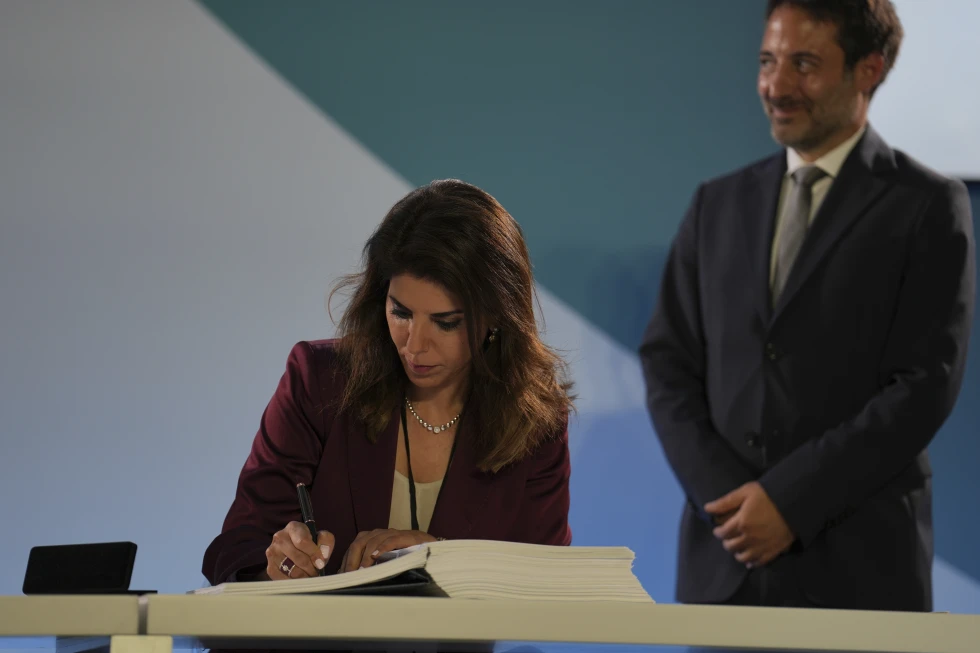
This week in Nice, France, the world’s attention has turned to the ocean. From June 9 to 13, the third United Nations Ocean Conference is taking place, co-hosted by France and Costa Rica.
It’s not just another diplomatic gathering, it might be a real turning point. Over 60 heads of state have shown up, from India to Brazil, showing rare global unity on an issue too long ignored: the health of our oceans.
UN Secretary-General António Guterres didn’t sugarcoat it. He called the situation a full-blown emergency, criticizing decades of exploitation and urging countries to shift from destruction to protection and fast. And it seems people are finally listening.
One of the biggest developments is the near-completion of the High Seas Biodiversity Treaty, which has now been ratified by 49 countries.
Just 11 more are needed for it to come into force. If that happens, it will be the first legal agreement to protect marine life in international waters and to limit harmful practices like deep-sea mining.
Meanwhile, funding remains a major obstacle. Life Below Water, one of the UN’s Sustainable Development Goals, is still the least funded of them all. Without serious money, real progress will be impossible.
Small island nations and conservation leaders are calling for creative solutions, including blue bonds and innovative financing strategies to help the countries most at risk take action.
Some nations are already stepping up. France and the UK have announced new bans on destructive fishing techniques and pledged to halt deep-sea mining in their waters.
Former US climate envoy John Kerry used the moment to urge a global push: ratify the treaties, cut harmful fishing subsidies, and protect at least 30% of the oceans by 2030.
Whether this week in Nice becomes a historic moment or just another diplomatic photo-op now depends on what comes next.