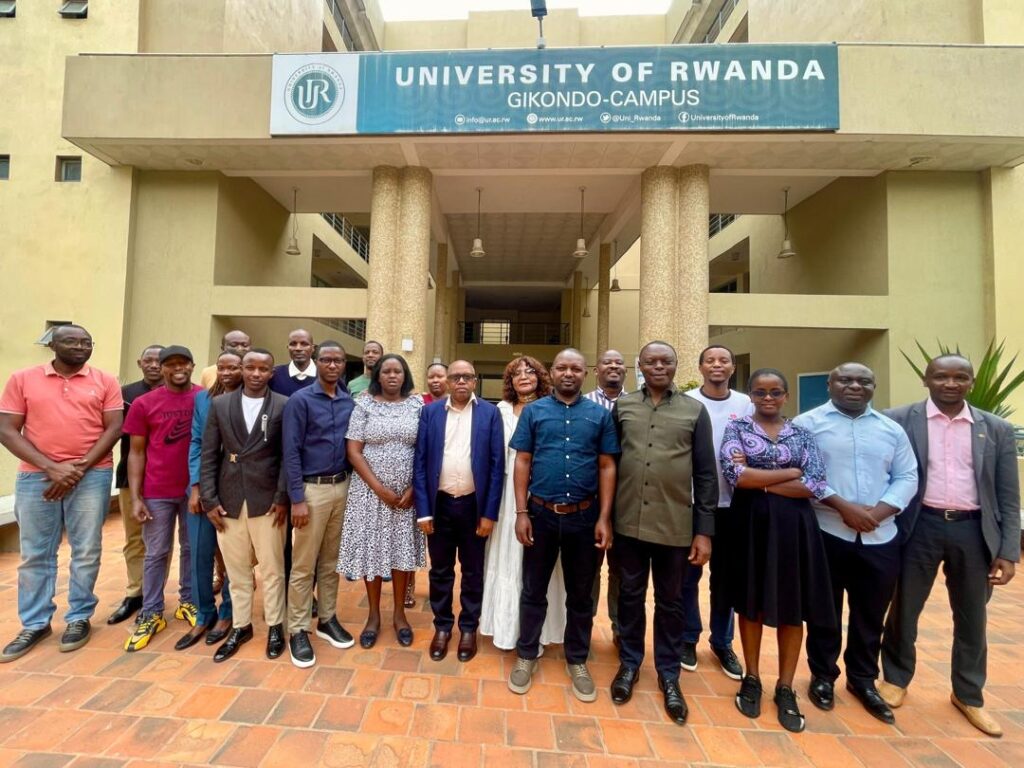
Twenty-one lecturers from the University of Rwanda (UR), the Institut Catholique de Kabgayi (ICK), Mount Kigali University, and East African University Rwanda (EAUR) have completed a two-day training on the effective use of Artificial Intelligence (AI) in teaching and visual design.
The workshop, held on December 6–7 at the University of Rwanda’s Gikondo Campus, was organized by the Rwanda Journalism Educators Network (RJEN) in collaboration with Fojo Media Institute/ Rwanda Media Program as part of their efforts to strengthen journalism education through modern digital tools.
Speaking to ICK News, Pastor Jean Pierre Uwimana, a journalism lecturer at UR and President of the RJEN, said the training aimed to build educators’ skills in integrating AI into their teaching practices.
“We are exchanging ideas on how AI can be used as a modern tool in teaching,” Uwimana said. “We are learning how to apply AI in multimedia production, visual design, video, and radio content.”
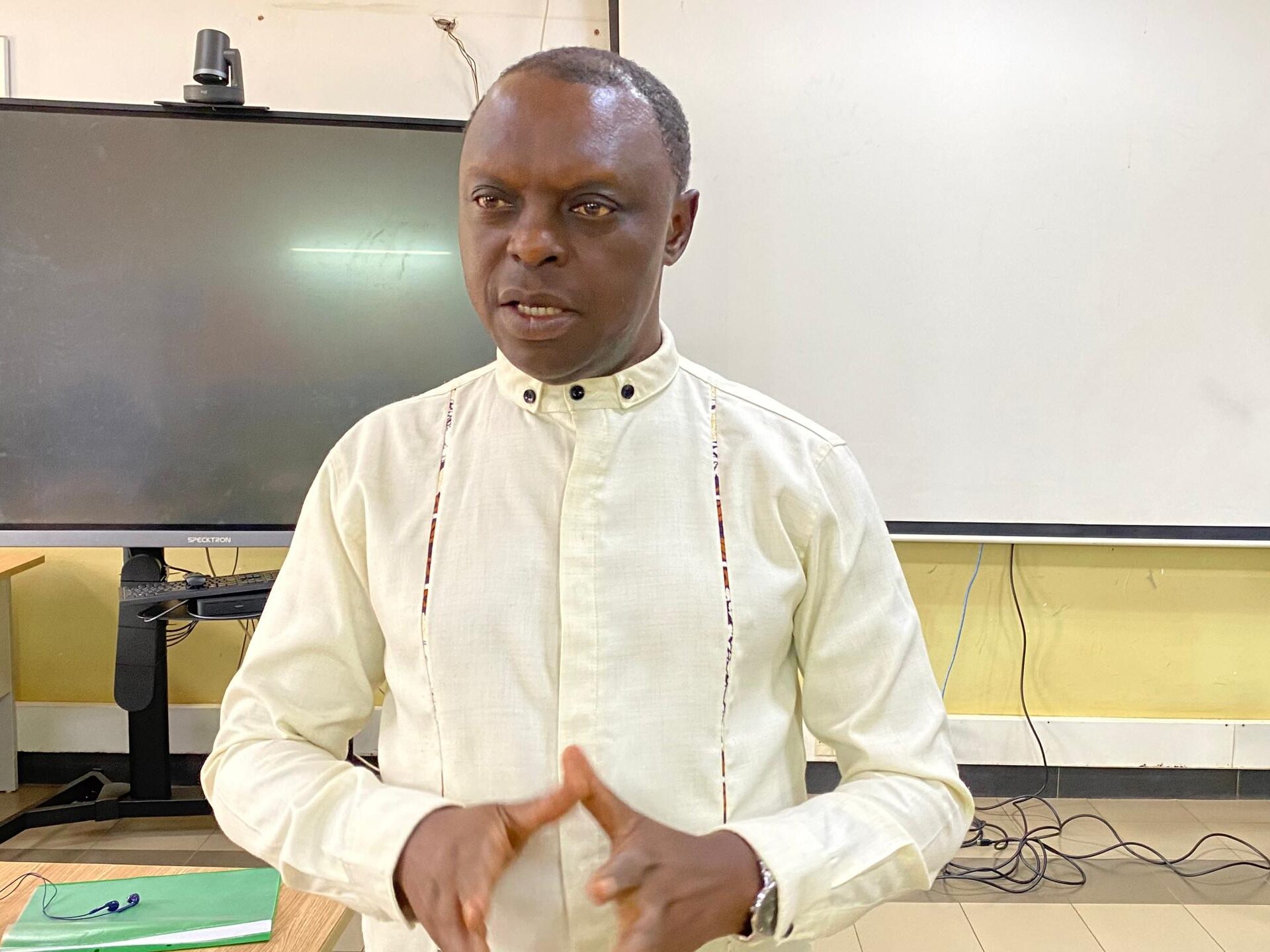
Pastor Jean Pierre Uwimana, a journalism lecturer at UR and President of the RJEN
Uwimana emphasized that journalism educators can no longer ignore AI, which has rapidly become a central component of global technological advancement.
“Today, you cannot say you are part of modern development if you don’t use AI,” he noted. “Soon, the definition of literacy will expand. Someone who does not understand technology or AI tools will be considered digitally illiterate.”
According to Uwimana, AI supports educators in several ways, including research, topic development, planning, sourcing references, and conducting literature reviews. However, he stressed that the goal of the training was also to highlight responsible and ethical use.
“AI should not do the work for us,” he said. “As researchers and teachers, we must use it to support our work, but always verify the information it provides. Fact-checking is essential because AI can sometimes produce inaccurate information.”
He added that students also need to be guided, as many rely heavily on AI without verifying its outputs.
“Our advice to students is simple: if you use AI, follow what you have been taught. Don’t assume the tool will do the work for you,” he warned.
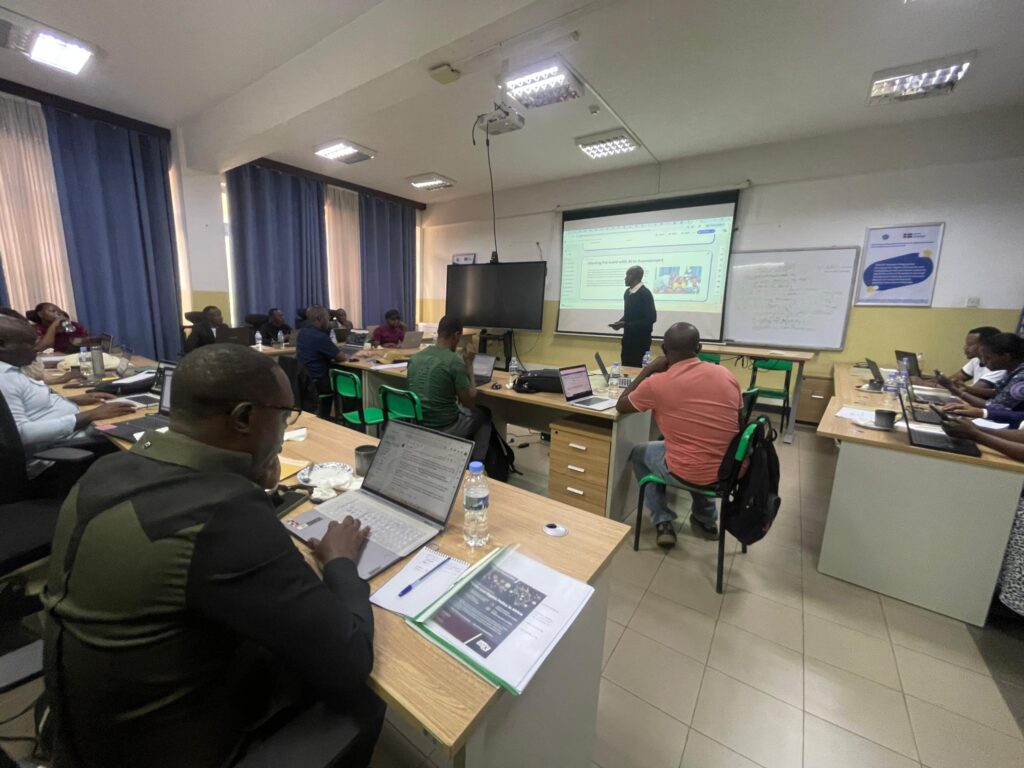
21 journalism educators from four Rwandan universities have been trained on effective use of AI in teaching and visual design
AI in visual design and multimedia
Pastor Uwimana also highlighted the growing importance of AI in visual content creation.
“AI now plays a big role in visual design. It can quickly support video editing, generate music, and create social media content,” he said.
However, he emphasized transparency: “Anyone using AI must disclose that they used it. It should not appear as though the work was done manually if AI played a role.”
The training was facilitated by two experts in AI applications for journalism, the first one is Emmanuel Habumuremyi, who is also the Executive Secretary of the Rwandan Journalists Association (ARJ), and Charles Twagiramungu, a seasoned journalist and media trainer.
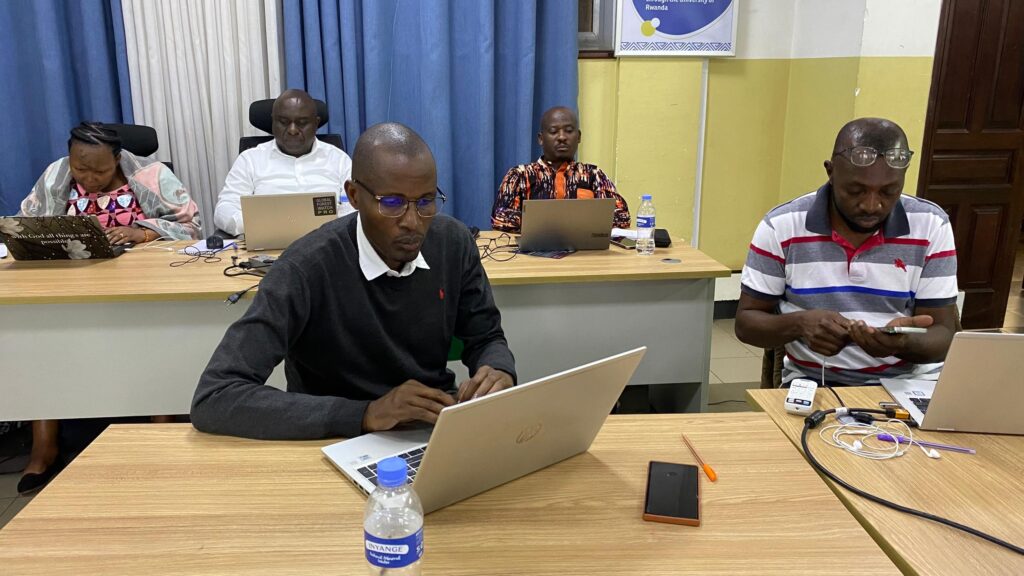
The trainers: Emmanuel Habumuremyi (Left) and Charles Twagiramungu (Right)
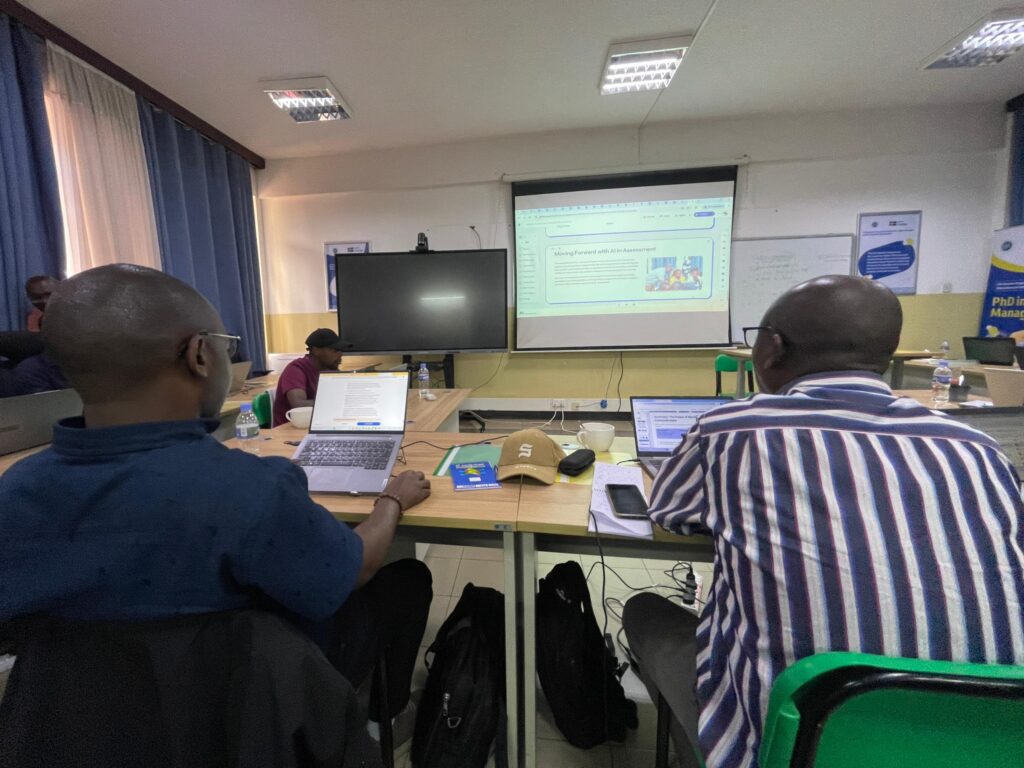
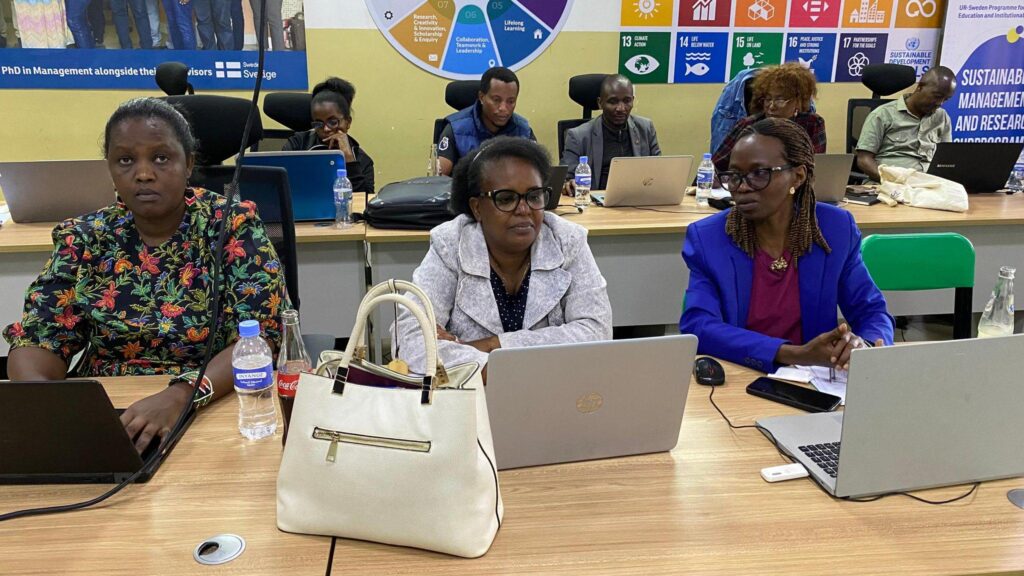
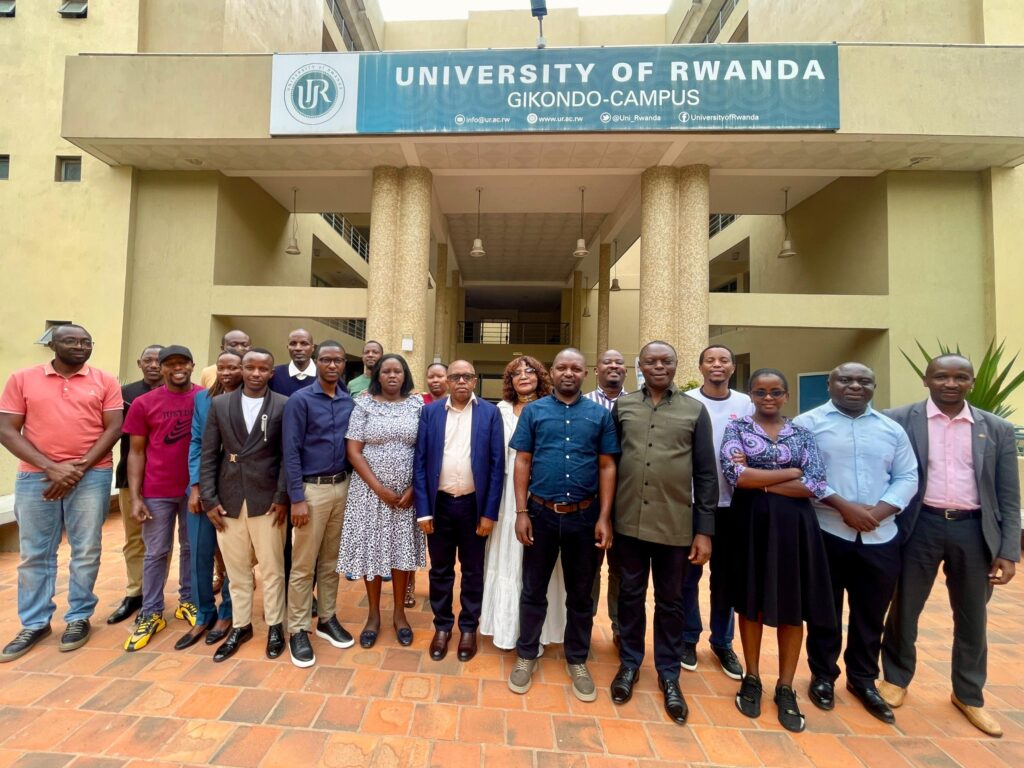
The training held at UR, Gikondo Campus