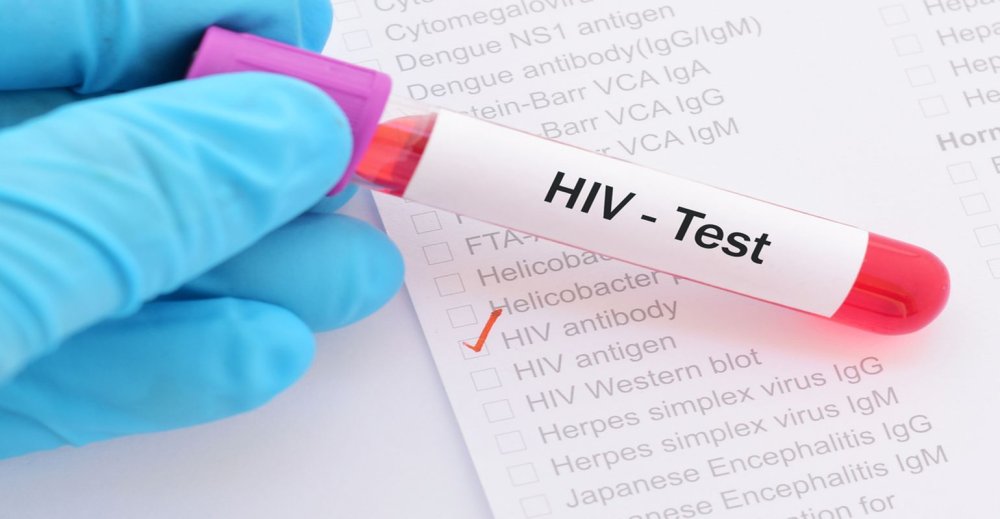
Some young peopleay they lack accurate information about how HIV is transmitted, with many admitting that fear and stigma prevent them from seeking testing and other essential health services.
Speaking to ICK News, one of the youth from Muhanga city, whose name we have changed to Jeanine Umutoni, said her knowledge about HIV remains limited despite having learned the basics in school.
“HIV is caused by a virus called HIV,” she said. “I only know that it is mainly transmitted through unprotected sex, but honestly, I do not have enough information beyond that.”
Jeanine added that she is afraid of going for an HIV test.
“I fear getting tested because I think it would give me emotional stress if I found out I was positive,” she said.
Another youth, who preferred anonymity, noted that misinformation about HIV remains widespread. She said she had heard that a mother who has HIV can transmit it to her child during childbirth if she has not been tested and treated, something she previously did not know.
“I think the government should increase awareness campaigns targeting young people because we don’t have enough information,” she said.
Some young people echoed similar misconceptions, saying they believe HIV is only transmitted through sexual intercourse. Others said they had last taken an HIV test two years ago or more, highlighting low testing habits among youth.
Many also expressed fear of being stigmatized if found HIV-positive, saying they worry that people in their communities would find out. Others said they avoid visiting youth centers to access condoms because they fear being judged as “promiscuous.”
Rwanda’s HIV trends concern health experts
HIV was first detected in Rwanda in 1983 and spread rapidly between 1986 and the mid-1990s. According to the Rwanda Biomedical Centre (RBC), approximately 3,200 people contract HIV every year, while 2,600 die from AIDS-related causes. Youth remain among the most affected groups.
Dr. Ikuzo Basile, Director of the HIV Prevention Unit at RBC, said the country currently has an estimated 230,000 people living with HIV, with young people aged 15–29 being among the most vulnerable, especially young women.
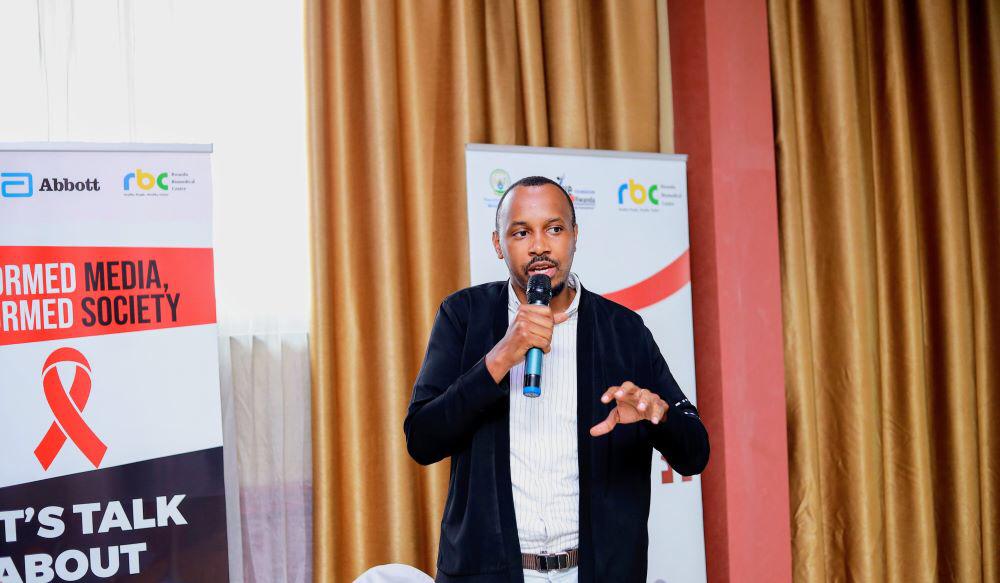
Dr. Ikuzo Basile, Director of the HIV Prevention Unit at RBC
“Condoms don’t just protect against HIV,” he said. “They also prevent other sexually transmitted infections and unplanned pregnancies.”
He noted that despite progress in treatment access, many young people still do not get tested or do not adhere to treatment. Statistics show that 63% of those on HIV treatment are women, compared to 37% men, and many adolescents fail to take their medication consistently.
Dr. Ikuzo added that uncircumcised men are encouraged to undergo medical circumcision, which can reduce the risk of acquiring HIV by up to 60%.
Government efforts and call to action
The government continues to expand youth-friendly services, including building youth centers in every district to provide reproductive health education. HIV prevention services, including testing and counseling, are offered free of charge at health centers.
Dr. Ikuzo urged young people to take full advantage of these services.
“There is still a gap among the youth who are not seeking HIV prevention or treatment services,” he said. “That is why we are focusing a lot of effort on reaching young people.”
He also encouraged continued use of antiretroviral therapy for those living with HIV, noting that treatment coverage has risen from 87% in 2019 to 97% today, demonstrating significant progress.
Authors: Meghan Teta Iribagiza & Sylvie Mutoni