




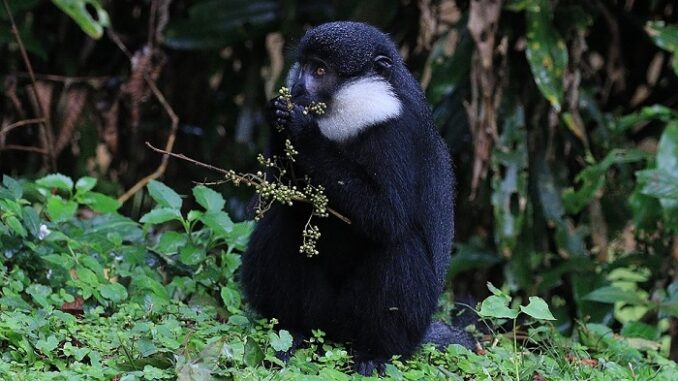
Residents living near Nyungwe National Park in Rangiro Sector, Nyamasheke District, say they are suffering increasing losses as wild animals leave the park and destroy crops, threatening food security and household incomes.
The problem is particularly affecting residents of Banda and Gakenke cells, who say animals such as baboons frequently raid farms at night and in the early morning. Many depend on agriculture as their primary source of income and food.
Innocent Nkundimana, a resident, said he invested heavily in farming but lost nearly all his crops before harvest. "I planted maize and sugarcane, but I harvested nothing because baboons and porcupines destroyed the crops before they matured," he said.
Julie Bayavuge said the destruction has left some families struggling to feed themselves. She explained that porcupines mainly damage sweet potatoes and beans, while baboons target sugarcane and banana plantations.
Jean Claude Muteta, Executive Secretary of Rangiro Sector, said authorities and park management are planning to encourage buffer-zone crops such as tea in the most affected areas.
Protais Niyigaba, Director of Nyungwe National Park, said fencing is not a practical solution because many animals can cross barriers, adding that compensation mechanisms are available for residents whose crops are damaged.
While Nyungwe remains an important contributor to conservation and Rwanda's tourism economy, residents along its boundaries continue to face human-wildlife conflict, highlighting the need for sustainable solutions.

Comments (0)
No comments yet. Be the first to comment.
Leave a comment